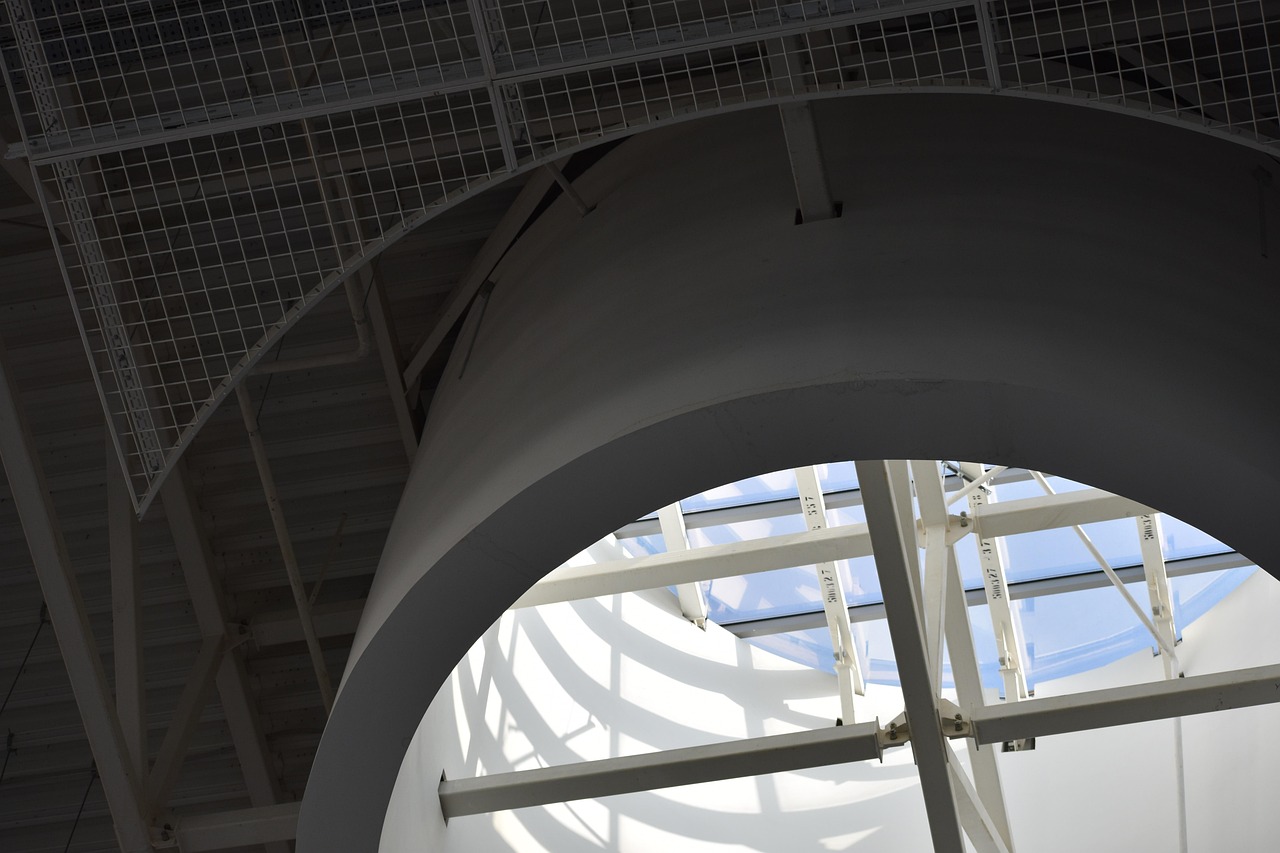
In the bustling heart of office spaces Tampa, a robust commercial real estate market thrives, but managing the roofing for these leased spaces presents a unique challenge. Whether it's a newly constructed building or an older property, the responsibility for roofing maintenance and repairs often blurs between landlords, tenants, and the roofing contractor. This complexity arises from a lack of clear understanding of the legal and financial implications. This article examines the intricate dynamics of roofing for leased office spaces Tampa, offering insights into who's responsible, the types of roofing materials available, and the critical role of permits and regulations. By the end, you'll have a practical guide to navigating this complex landscape.
- Understanding Tenant and Landlord Responsibilities in Tampa
- Lease Agreements: Clarifying Roofing Maintenance Obligations
- Local Regulations: Navigating Tampa's Roofing Standards
- Choosing a Roofing Contractor for Leased Office Spaces
- Common Roof Issues in Tampa Office Buildings
- Cost-Effective Roofing Solutions for Leased Properties
Understanding Tenant and Landlord Responsibilities in Tampa
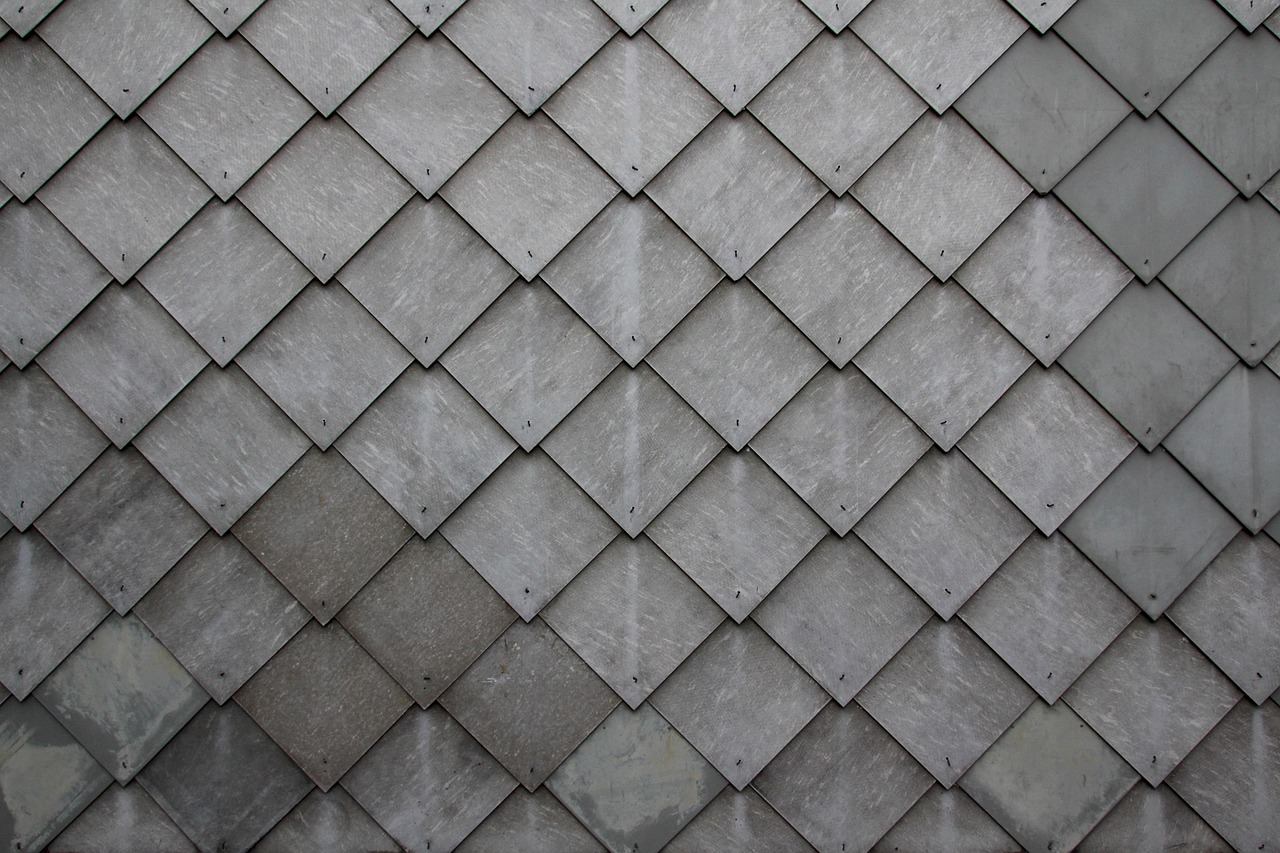
In the context of roofing for office spaces Tampa, understanding the responsibilities between tenants and landlords is crucial for ensuring reliable roofing solutions. When a lease agreement is signed, the roofing obligations often become a shared responsibility. Typically, the tenant is responsible for routine maintenance and minor repairs, such as sealing leaks or replacing missing shingles, as these are considered part of everyday office space management. On the other hand, the landlord or property manager typically handles major roof repairs or replacements, as these are seen as structural issues that impact the building's integrity. If a tenant reports a small leak, they might be instructed to patch it, but a significant roof failure would prompt the landlord to organize a same-day repair or replacement service.
In the event of severe weather conditions or damage beyond routine maintenance, a trusted roofing company for businesses in Tampa can provide expert assessment and efficient solutions. Some landlords might have preferred relationships with local roofing contractors, ensuring quick response times and quality workmanship. For same-day roof replacement, it's essential to have a reliable roofing company on speed dial, as every hour counts to prevent further damage and ensure business continuity. Tenants should be aware of their rights and the building's roofing history, especially when leasing older properties, to avoid unexpected financial burdens.
Navigating roofing responsibilities requires open communication between tenants and landlords. Clear agreements and documentation of repairs and replacements are vital. Since roofing permits and building regulations can vary, landlords must ensure compliance to avoid legal issues. Budgeting for roof maintenance is also crucial, as unexpected repairs can significantly impact a business's financial health. Protecting against roofing scams is another shared responsibility. Tenants should be vigilant and landlords should provide resources for consumer protection, ensuring that any roofing work undertaken is legitimate and performed by trusted professionals.
Lease Agreements: Clarifying Roofing Maintenance Obligations

In Tampa, when leasing an office space, one of the critical considerations is ensuring proper roofing maintenance. Lease agreements play a pivotal role in clarifying who is responsible for roofing tasks, whether it's a new installation or routine repairs. This is particularly important for office space tenants to understand, as it can significantly impact their budget and peace of mind.
When reviewing a lease, tenants should look for specific clauses detailing roofing responsibilities. Typically, larger, long-term leases may specify that the landlord is responsible for structural repairs and roof replacements. However, for smaller leases or newer agreements, the onus could fall on the tenant. A typical lease for an office space in Tampa might stipulate that the tenant is in charge of maintaining the roof, scheduling regular inspections, and arranging repairs for minor issues. Major renovations or replacements, however, may still be the landlord's responsibility.
Engaging with local roofing contractors Tampa early in the process can offer valuable insights. Professional office roof installations or major repairs often require permits and adherence to local building regulations. Certified commercial roofers in Tampa can guide tenants through this process, ensuring compliance and providing transparent cost estimates. By proactively understanding their roles, tenants can better prepare for potential roofing expenses and maintain their office space effectively.
Local Regulations: Navigating Tampa's Roofing Standards

Navigating Tampa's Roofing Standards for Leased Office Spaces
In Tampa, as in many cities, roofing for office spaces is subject to specific regulations designed to maintain building safety, aesthetics, and sustainability. Understanding these standards is crucial for both building owners and leased companies. The process begins with obtaining the necessary commercial roofing permits Tampa before any work can commence. These permits ensure that the installation or repair adheres to the latest building codes and safety regulations. The city may have strict guidelines on the type of roofing materials allowed, especially in historic preservation districts, where asphalt roofing might be preferred over metal to maintain the area's character.
The latest in commercial roofing materials matters in meeting these standards. Flat roofs, for example, often require specialized materials and techniques to prevent leaks and ensure structural integrity. Modern single-ply membranes and liquid coatings are popular choices among Tampa's commercial roofing companies, offering durability and cost-effectiveness. Building owners and tenants should consider the environmental impact of roofing materials, as eco-friendly options are increasingly mandated by city regulations.
When choosing a roofer, it's essential to look for licensed and insured professionals who have experience with commercial properties. Reviews for commercial roofing companies in Tampa can provide valuable insights into their reputation and work quality. A local, top-rated roofer may offer specialized knowledge of the city's building regulations and provide a more seamless experience throughout the roofing process. Regular maintenance and prompt repair of any roof damage are also crucial to prevent structural issues and ensure the longevity of the building's exterior. This proactive approach can save significant costs in the long run, as well as protect the integrity of the leased office space.
Choosing a Roofing Contractor for Leased Office Spaces
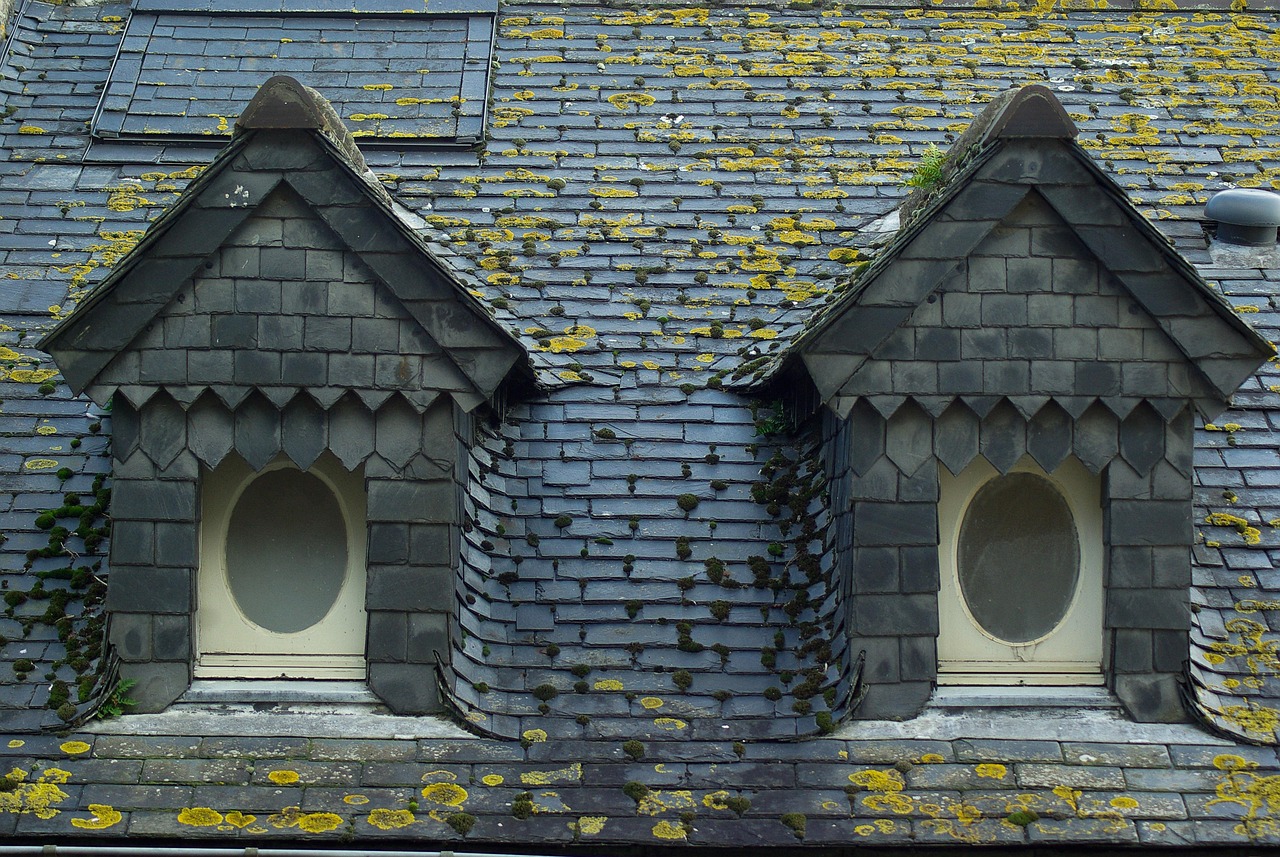
For roofing for office spaces Tampa, choosing the right contractor is crucial, especially for leased properties. Property managers and lessors face unique challenges, as they must select a roofing partner that understands the specific needs of commercial spaces while adhering to stringent building regulations. In this competitive market, it's essential to sift through the many local roofing contractors Tampa offers to find a niche commercial roofing service that delivers top-quality work.
The first step is to verify that the contractor is licensed and insured for commercial roofing projects. This ensures they possess the expertise and financial backing required for complex jobs. Many reputable local roofing companies in Tampa offer both, providing peace of mind. Checking references from previous clients who had similar leased spaces can offer valuable insights into the contractor's reliability and the quality of their work. If a contractor has a proven track record with local businesses, it's a strong indicator of their ability to handle the specific requirements of office spaces.
Beyond licensing and insurance, property managers should consider the contractor's experience with various roofing materials and designs, especially if the building has unique architectural features. Some contractors specialize in historic preservation, while others excel in metal roofing-a crucial consideration for energy-efficient, modern office spaces. A contractor well-versed in asphalt roofing might not be the best choice for a property aiming for a more sustainable, eco-friendly image. Engaging with potential contractors to discuss their expertise and understanding of specific roofing needs for office spaces Tampa is a strategic move to ensure the best fit.
Common Roof Issues in Tampa Office Buildings

Roofing for office spaces Tampa presents unique challenges due to the diverse nature of commercial properties and the stringent building regulations in the area. Office buildings often face specific roof issues that require tailored solutions. Common problems include leaks, particularly in older structures or those with poor maintenance, and damage from strong winds and extreme weather conditions common to Florida. Many Tampa office spaces feature flat or low-slope roofs, which are more susceptible to pooling water and potential structural weaknesses over time.
One of the key considerations for office building owners and managers is ensuring the structural integrity of the roof. Neglected or improperly maintained roofs can lead to significant, costly repairs or even collapse. A local case study of an uninspected, aged roof resulted in a partial collapse during a storm, causing extensive damage and temporary closure of the office complex. This highlights the importance of regular inspections and timely repairs.
Niche commercial roofing services Tampa are increasingly in demand to address these challenges. Local contractors specializing in commercial roofing offer expertise tailored to office spaces. They provide affordable office roofing Tampa solutions, including repairs, replacements, and installations, while navigating the complex permitting process. Obtaining commercial roofing permits Tampa is essential to ensure compliance with building regulations, and these professionals guide property managers through the required steps. By partnering with such niche services, office space owners can mitigate risks and ensure their roofs meet safety and structural standards, ultimately contributing to a more productive and secure working environment.
Cost-Effective Roofing Solutions for Leased Properties
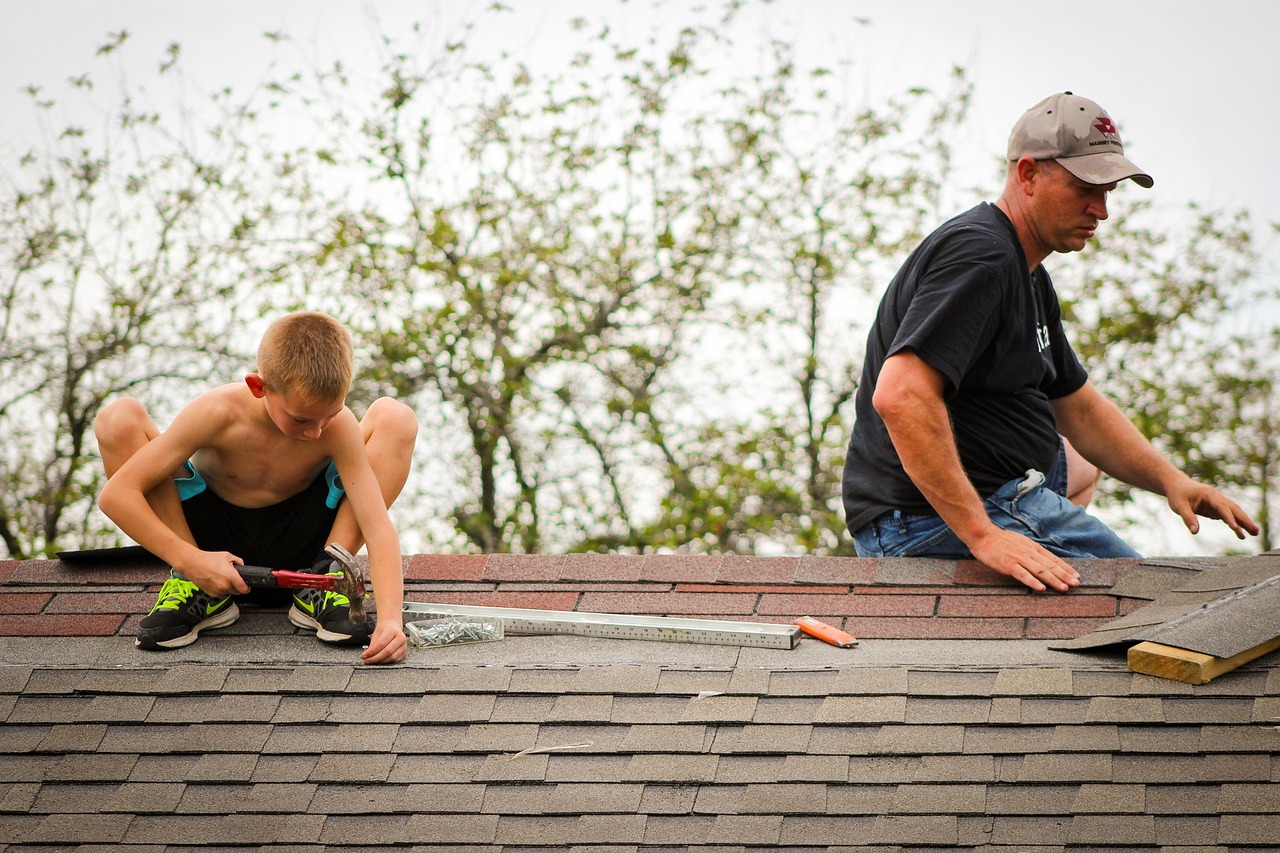
When you lease a commercial space in Tampa, ensuring the roof is in good condition and appropriately maintained can be a complex task. As a tenant, you may not have direct control over roofing repairs and replacements, but understanding your responsibilities and options is crucial. This is especially true for cost-effective roofing solutions, as preventing roofing scams for businesses and working with inspected and certified roofing contractors can save you significant time and money.
In Tampa, tenants are typically responsible for routine roof maintenance, such as cleaning gutters and repairing minor leaks. However, for major repairs or replacements, the landlord usually bears the cost. This is outlined in the lease agreement, which should clearly stipulate the responsibilities of both parties regarding the roof. If a tenant notices a persistent leak, they should promptly notify the landlord, documenting the issue with photos. This proactive approach helps prevent structural issues that could lead to costly repairs down the line.
Hiring certified commercial roofers Tampa is a key step in ensuring your roof is in good hands. Look for contractors with a proven track record and positive reviews. Reputable companies will be inspected and certified by relevant industry bodies, ensuring they meet safety and quality standards. Many local roofing companies offer same-day services and 24/7 availability, providing peace of mind in case of emergencies. When budgeting, keep in mind that a higher initial investment in a quality roof can lead to longer-term savings, as metal roofing, for instance, is known for its longevity and durability, potentially reducing the need for frequent replacements.
Avoiding roofing scams is paramount for tenants. Scammers often target commercial properties, preying on unaware tenants. To safeguard against this, educate yourself on common scams, such as unnecessary repairs or overpriced materials. Always get multiple estimates from different, inspected and certified roofing contractors. This practice not only ensures you receive a fair price but also helps you recognize unusual requests or demands. By following these guidelines, tenants in Tampa can effectively manage their roofing responsibilities while ensuring the longevity and safety of their leased office spaces.
Frequently Asked Questions About Roofing for Leased Office Spaces: Who's Responsible?
Who is typically responsible for roofing maintenance in a leased office space?
In a leased office space, the responsibility for roofing maintenance often shifts between the landlord and tenant, depending on the terms of the lease agreement. Generally, the landlord is responsible for major roofing repairs and replacement, as these are considered part of property upkeep. However, the tenant might be tasked with routine maintenance, such as inspecting for damage, reporting issues, and conducting minor repairs like sealing leaks or replacing broken tiles. A clear understanding of these responsibilities is crucial, as outlined in the lease.
What happens if a roof needs replacement during the lease term?
When a roof needs replacement during the lease term, the process involves a collaborative effort between the landlord and tenant. The lease agreement should specify who funds and manages the replacement. Often, the landlord covers the cost, but the tenant might be required to coordinate the project. This includes selecting a contractor, obtaining necessary permits, and ensuring the work aligns with local building codes. Effective communication between both parties is vital to ensure a smooth replacement process.
How do I know if the roof is the landlord's or tenant's responsibility to repair?
Determining roof maintenance responsibilities requires a thorough review of the lease agreement. Key terms to look for include "maintenance," "repairs," "roofing," and "property upkeep." If the lease mentions specific tasks for each party, this clearly delineates responsibilities. In case of ambiguity, consult with a legal expert or the property manager. Keeping detailed records of all repairs and communications regarding the roof can also help clarify responsibilities if a dispute arises.
What if the tenant causes damage to the roof during their occupation?
If the tenant causes damage to the roof, they are generally responsible for the repair or replacement costs, as per the terms of the lease. It's crucial to document the damage and notify the landlord promptly. Some leases may include clauses regarding tenant-caused damage, outlining the steps to be taken and the financial implications. Being proactive and transparent in these situations can help avoid potential disputes.
Can the tenant negotiate roofing maintenance responsibilities with the landlord?
Absolutely. Negotiation is a standard part of leasing agreements, allowing both parties to reach a mutually agreeable arrangement. If the tenant feels the current distribution of roofing responsibilities is unfair or impractical, they can discuss alternative terms with the landlord. This might involve proposing a different split of maintenance costs or adjusting responsibilities based on specific needs and circumstances.
As you understand roofing for office spaces Tampa, it's clear that understanding responsibilities, lease agreements, and local regulations is crucial. By choosing a qualified roofing contractor, addressing common issues, and exploring cost-effective solutions, you can ensure your leased property's roof remains in top condition. This practical guide has equipped you with the knowledge to make informed decisions, protecting your investment and maintaining a safe, efficient work environment for your tenants. Implement these strategies to streamline the roofing maintenance process for your Tampa office spaces.
Roofing for Office Spaces Tampa: Navigating Responsibilities and Solutions
- Shared Responsibilities: Tenants typically handle routine maintenance (e.g., gutter cleaning, minor leak repairs), while landlords cover major repairs and replacements.
- Leasing Considerations: Lease agreements detail roofing responsibilities. Smaller leases may put more onus on tenants.
- Local Roofing Contractors: Engage trusted, licensed, and insured contractors with commercial experience. Referrals and reviews are key.
- Regulatory Compliance: Understand building regulations and permits for installation, repairs, and maintenance to avoid legal issues.
- Budgeting: Factor in roofing maintenance in business budgets, considering unexpected repairs can significantly impact financial health.
- Scam Protection: Educate yourself and seek multiple estimates from certified, inspected contractors to avoid scams.
- Proactive Management: Regular inspections and prompt reporting of issues help prevent structural damage and costly repairs.
- Long-Term Savings: Investing in quality roofing, like metal, can lead to longer-term savings by reducing replacement needs.