
Leasing office spaces in Tampa comes with a host of responsibilities, including ensuring the building's roof is in top condition. A roof is a critical component of any commercial property, offering protection from the elements and structural integrity. However, determining who's responsible for roofing maintenance and repairs in leased spaces can be a complex issue, especially when navigating the local building regulations. This article examines the intricacies of roofing for office spaces Tampa, guiding landlords and tenants alike on who should handle roof-related tasks, the importance of using licensed and insured commercial roofers, and the regulatory framework that governs these processes. By the end, readers will have a clear understanding of their roles and the best practices for maintaining a safe, compliant, and well-protected leased office space.
- Understanding Tenant Responsibilities in Tampa Office Spaces
- Landlord's Role: Roofing Maintenance and Repairs
- When to Replace: Roofing Lifespan for Tampa Offices
- Choosing a Roofer: Tips for Leased Space Tenants
- Legal Aspects: Leased Office Roofing Agreements
- Efficient Communication: Roofing Projects in Tampa
Understanding Tenant Responsibilities in Tampa Office Spaces

In the context of leased office spaces in Tampa, understanding tenant responsibilities is crucial for ensuring a well-maintained and safe working environment. Tenants are often tasked with coordinating and, in some cases, paying for roofing services. When dealing with roofing for office spaces Tampa, tenants must consider both the practical aspects of roof maintenance and their legal obligations.
Regular roof maintenance is an essential component of any commercial property management strategy. Establishing a strict regular roof maintenance schedule can help prevent costly repairs and prolong the lifespan of the roof. Tenants should work with licensed and insured roofers Tampa who specialize in commercial properties to create a tailored maintenance plan. This might include routine inspections, cleaning, and minor repairs, ensuring any issues are identified and resolved promptly. A tenant could contract a local roofing company to perform a complete roof assessment every six months, addressing factors like mold, mildew, and structural integrity.
However, tenants must also be mindful of their lease agreements. Some leases may explicitly state the tenant's responsibilities regarding roof maintenance and repairs. It's crucial to review the terms and conditions carefully to understand what's covered and what falls within the landlord's purview. While a tenant might be responsible for routine maintenance, major repairs or replacements could be the landlord's responsibility. Budgeting for these unforeseen expenses is a key aspect of tenant management, and working with a reliable, top-rated Tampa roofer can provide guidance on expected costs and maintenance intervals.
Tenants should be wary of common roofing scams in Tampa, as they can be financially and legally damaging. Scammers often target commercial property owners, and tenants must ensure their contractors are legitimate. Legal protection can be sought by verifying the licenses and insurance of the roofers chosen, safeguarding against potential fraud or subpar work. By adhering to these practices, tenants can actively contribute to the upkeep of their office spaces while ensuring a transparent and secure relationship with their roofing service providers.
Landlord's Role: Roofing Maintenance and Repairs

In the context of leasing office spaces in Tampa, the landlord plays a crucial role in ensuring proper roofing maintenance and timely repairs. When renting out commercial properties, landlords are responsible for maintaining a safe and habitable environment for their tenants. This includes addressing roofing issues promptly, as a leaky roof or structural damage can significantly impact the tenant's experience and the building's value. A same-day roof inspection in Tampa by local roofing contractors can help identify minor issues before they become costly repairs.
One of the key aspects of a landlord's responsibility is establishing a routine maintenance schedule. Regular inspections by local roofing contractors Tampa can help catch problems early, preventing small repairs from turning into major, costly overhauls. Landlords should contract with reputable, licensed, and insured commercial roofers who understand the unique demands of roofing for office spaces Tampa. This includes knowing the best materials for different climate conditions and local building regulations. Asphalt roofing is a common choice for Tampa's climate, but metal roofing might be more suitable for properties with historical significance, requiring careful preservation.
In the event of a roof emergency, landlords must ensure a swift response. Offering same-day roof replacement services in Tampa can be a significant advantage for tenants. Prompt action not only minimizes disruption to business operations but also demonstrates the landlord's commitment to their well-being. Landlords should be aware of local regulations regarding roofing permits and building codes, as non-compliance can lead to legal issues and financial penalties. Effective budgeting for roof maintenance and repairs is crucial, as unexpected events can quickly escalate into significant expenses. By prioritizing roofing for office spaces Tampa in their property management strategies, landlords can foster a positive rental experience.
When to Replace: Roofing Lifespan for Tampa Offices
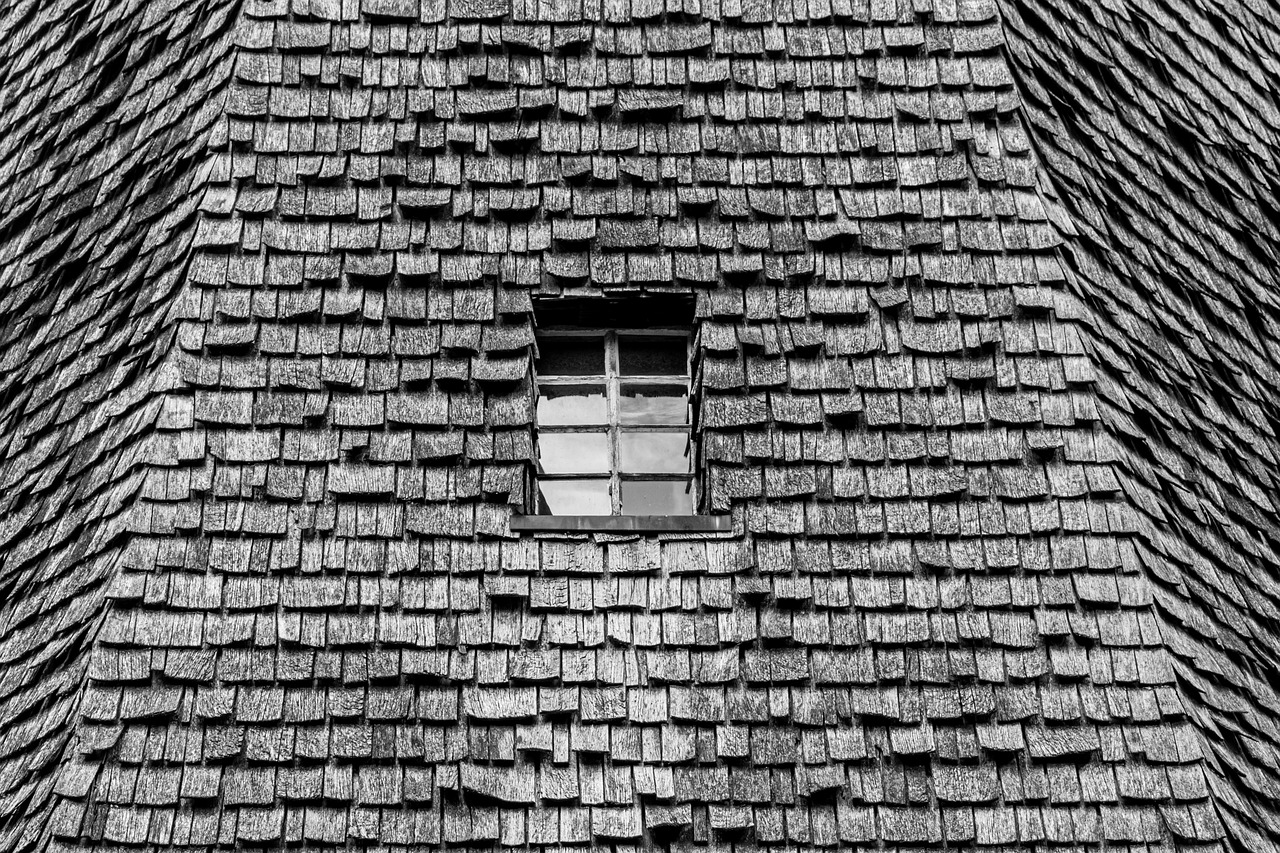
The lifespan of a roof is a critical consideration for any office space owner in Tampa. When to replace a roof depends on various factors, including the roofing material, local climate, and the overall condition of the building. On average, most commercial roofs last between 15 to 25 years, though this can vary significantly. Metal roofing, known for its durability, can last 30 years or more with proper maintenance, while asphalt roofs typically have a 15 to 20-year lifespan.
When considering roof replacement, office space tenants and owners should seek expert advice on roof replacement. Green building certified roofing options are gaining popularity in Tampa due to their environmental benefits and potential long-term savings. These materials often have a lower environmental impact and can be more energy-efficient, contributing to a building's overall sustainability. Before making a decision, it's essential to consult with a local, licensed, and insured commercial roofer who can provide an honest assessment. They can help determine if repairs are feasible, or if a full replacement is necessary, offering same-day services and 24/7 availability for urgent issues.
Budgeting for roof replacement is another crucial aspect. The cost can vary widely depending on the roof's size, the materials chosen, and local labor rates. On average, roof replacement in Tampa ranges from $10 to $15 per square foot, with high-end materials and complex designs driving up the price. To get the best value for money, property managers should compare quotes from multiple local roofing companies. A 10,000-square-foot roof replacement in Tampa might cost between $100,000 to $150,000, depending on the specifics. With proper maintenance and timely replacement, office spaces in Tampa can maintain their structural integrity and aesthetic appeal for years to come.
Choosing a Roofer: Tips for Leased Space Tenants
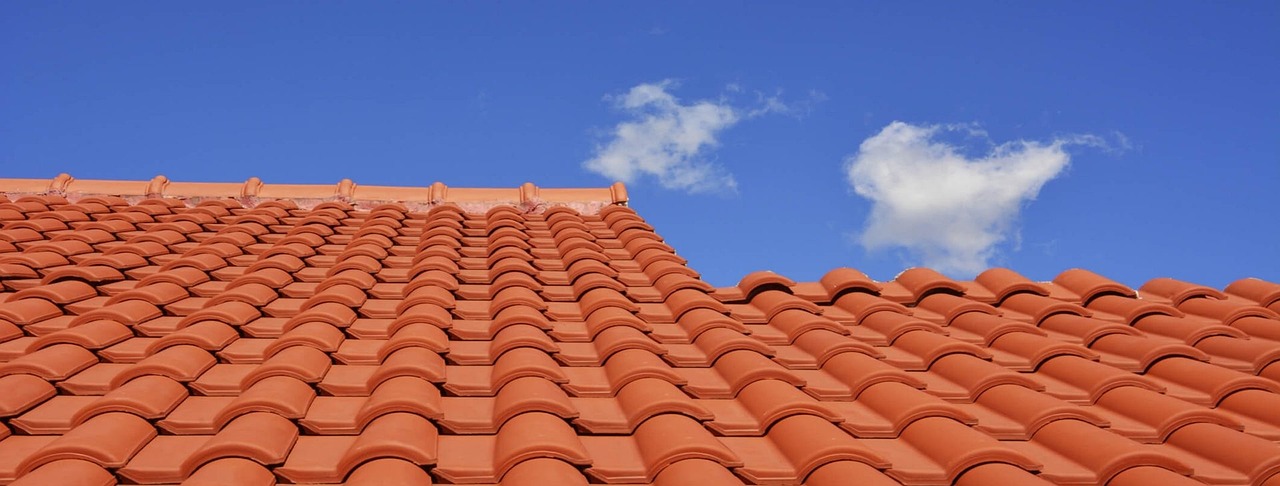
When leasing an office space in Tampa, selecting a reliable roofer is crucial to ensure your building's structural integrity and your peace of mind. As a tenant, understanding your responsibilities and the options available is essential. In Tampa, you have several choices for roofing for office spaces, from local roofing contractors to national companies. Aim for certified commercial roofers Tampa who possess the expertise and experience to handle any size project.
Start by researching local roofing companies with a proven track record in the region. Consumer Reports on commercial roofers can offer valuable insights into their reliability, pricing, and customer satisfaction. Look for contractors who specialize in roofing for office spaces, as they will be most equipped to handle the specific needs of leased properties. Check online reviews and ask for references to gauge their reputation and the quality of their work. Many top-rated Tampa roofers offer transparent pricing, detailed proposals, and guarantees, demonstrating their commitment to customer satisfaction.
Consider the type of roofing material and design that aligns with your building's architecture and energy efficiency goals. Asphalt roofing is a common choice for its affordability and ease of maintenance, while metal roofing offers durability and a modern aesthetic. If your office space has historical significance, consult with contractors experienced in historic preservation to ensure any roof replacement or repair complies with local regulations. Remember, the roofer you choose should be licensed and insured, protecting both your interests and their work.
Legal Aspects: Leased Office Roofing Agreements
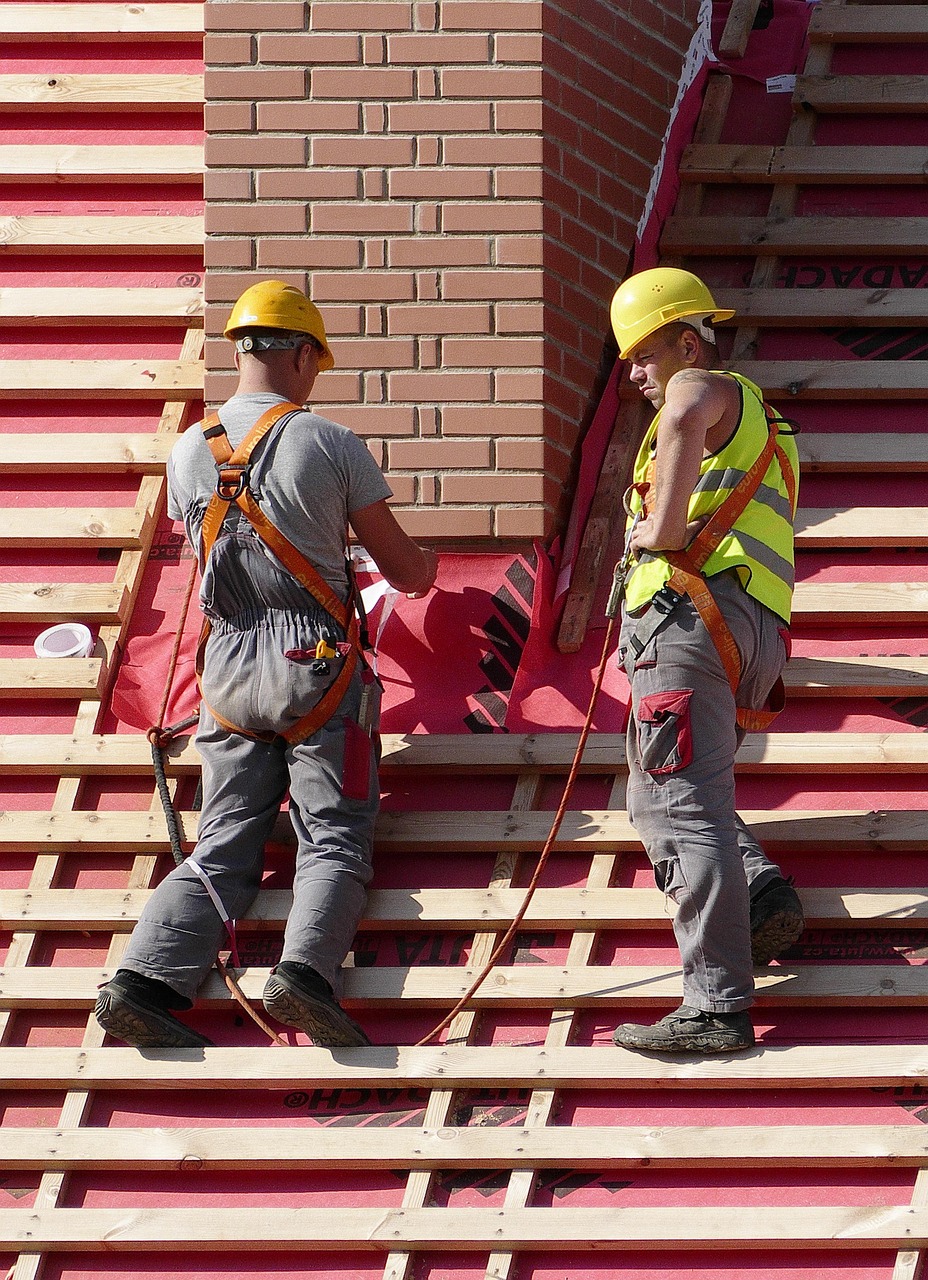
For roofing for office spaces Tampa, understanding the legal aspects of roofing agreements is crucial, especially for leased properties. The responsibility for roofing maintenance and repairs often falls on either the landlord or the tenant, depending on the terms of the lease. In many cases, a combination of these entities is involved. It's essential to have a clear, well-documented agreement in place to avoid disputes.
In Tampa, licensed and insured commercial roofers play a significant role in these agreements. They should be certified by relevant industry bodies to ensure they meet the required standards. The International Association of Certified Roof Inspectors (IACRI) offers certifications that can be checked by both landlords and tenants. When negotiating the terms of the lease, including roofing responsibilities, having a certified commercial roofer involved can provide transparency and accountability. This is particularly important when dealing with environmentally friendly roofing options, as many modern materials and practices require specialized knowledge and adhere to specific regulations.
For leased office spaces, a common approach is to have the tenant assume responsibility for routine maintenance and repairs, while the landlord covers major repairs and replacements. This division should be explicitly stated in the lease agreement, with details on what constitutes routine maintenance (e.g., cleaning gutters, repairing minor leaks) and major repairs (e.g., replacing a complete section of the roof). In the event of roof damage, same-day services and 24/7 availability from certified roofers can be crucial for minimizing downtime and preventing further structural issues.
Roofing permits and building regulations are essential considerations. Landlords and tenants must ensure compliance with local codes and obtain the necessary permits before any roofing work is undertaken. This process can be complex, especially with historic preservation in mind, where specific roofing materials and designs may be required to maintain the building's character. Proper budgeting for roofing expenses, including both routine and major repairs, is vital for financial stability. By understanding these legal aspects, tenants and landlords can ensure a smooth roofing process for their office spaces in Tampa.
Efficient Communication: Roofing Projects in Tampa
Efficient Communication: Navigating Roofing Projects in Office Spaces Tampa
In the fast-paced world of commercial real estate, effective communication is key for roofing for office spaces Tampa. When you're working with a leased space, timely and transparent dialogue between landlords, tenants, and roofing professionals can make all the difference. The goal is to ensure that any roofing project-from emergency repairs to full replacements-is completed with minimal disruption to business operations.
Consider a scenario where a tenant notices a leak during a storm. The first step is to contact a reliable, licensed, and insured commercial roofer near them. They should be able to provide same-day services, as swift action can prevent further damage and costly repairs. Expert advice on roof replacement, repair, and maintenance is crucial here. A top-rated Tampa roofer will not only offer solutions but also educate the tenant about the cause of the leak, the extent of the damage, and the regulatory requirements for roofing permits in Tampa.
During the process, clear communication channels should be established. The tenant should understand the budget and timeline involved, especially if the project requires multiple quotes or specialized materials. If historic preservation is a factor, specific roofing materials and designs must align with local building regulations. The roofer should be well-versed in these requirements and guide the tenant or landlord through the necessary permits.
Regular maintenance discussions are vital. Landlords and tenants should be on the same page regarding preventive measures and when to plan for roof replacements. By fostering open communication, they can ensure the best value for roofing for office spaces Tampa while addressing any structural issues promptly. This proactive approach not only maintains the building's integrity but also keeps the business running smoothly.
Managing roofing for office spaces Tampa involves a careful balance of tenant responsibilities, landlord maintenance, and strategic replacement decisions. Tenants should be aware of their duties, particularly for reporting roof damage and adhering to lease agreements. Landlords, on the other hand, play a crucial role in ensuring timely repairs and maintaining structural integrity. Understanding the lifespan of various roofing materials is essential for effective budgeting, as is knowing when to opt for repairs versus replacements. Choosing a reliable, licensed, and insured roofer from local or national companies is paramount, with consideration for the specific needs of historic preservation and 24/7 availability. Efficient communication and legal protection are vital throughout the process, from obtaining necessary permits to ensuring fair agreements. By implementing these key insights, tenants and landlords can collaborate to maintain and protect their Tampa office spaces, ensuring a safe, secure, and aesthetically pleasing environment.
Roofing for Leased Office Spaces in Tampa: A Practical guide
Tenants and landlords must collaborate for