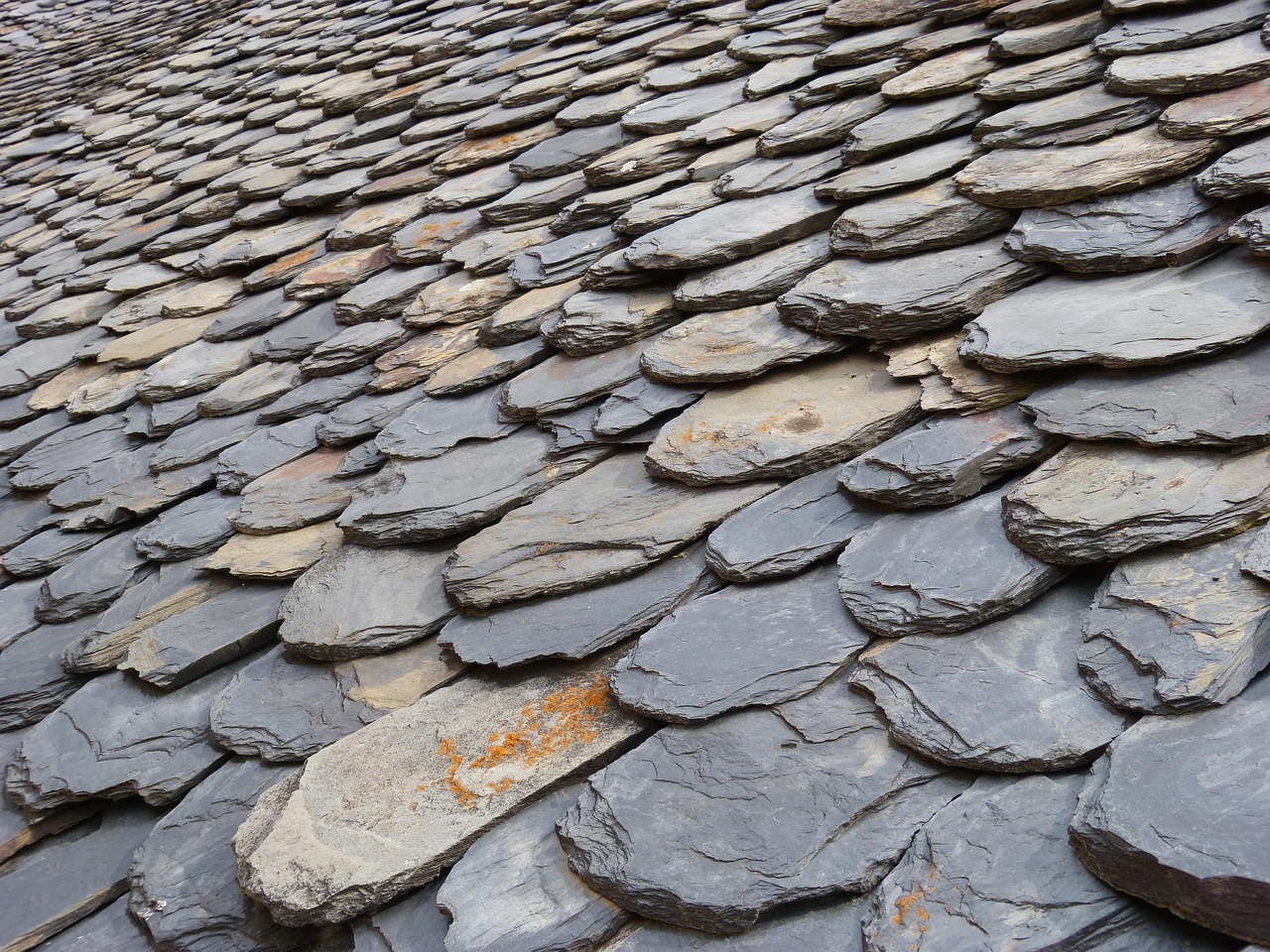
For roofing for leased office spaces in Tampa, understanding who's responsible is crucial for property managers and business owners alike. The roof is a critical component of any commercial building, offering protection against the elements and enhancing the overall value of the property. However, the question of who should handle repairs, maintenance, or even a full replacement can be a complex one. This article examines the key considerations, from selecting a qualified roofer to navigating regulatory requirements, to ensure that the process is smooth and compliant. By the end, you'll have a clear understanding of the responsibilities involved in roofing for office spaces Tampa, empowering you to make informed decisions.
- Understanding Lease Agreements: Who Covers Roofing Costs?
- Tenant vs. Landlord: Responsibilities for Office Space Repairs
- Local Building Codes: Regulations for Tampa Office Space Roofs
- Choosing a Roofer: Factors for Leased Office Spaces in Tampa
- Common Roof Problems in Leased Office Buildings, Tampa
- Preventive Maintenance: Ensuring Longevity for Leased Office Roofs
Understanding Lease Agreements: Who Covers Roofing Costs?

Understanding lease agreements is crucial for businesses operating in office spaces in Tampa, as it clarifies responsibilities, especially for roofing. The primary question arises: who is accountable for roofing costs for leased premises? It's essential to scrutinize the lease document, as it will detail the terms regarding roof maintenance and repairs. In many cases, the landlord or property manager is typically responsible for the initial roofing installation and major repairs, ensuring the roof remains in good condition. This includes addressing structural issues that could compromise the building's integrity.
However, for leased office spaces, the tenant is often on the hook for routine maintenance and minor repairs. This can include tasks like replacing missing or damaged shingles, sealing leaks, and regular cleaning. A trusted roofing company for businesses in Tampa can guide tenants on maintaining their roof, prolonging its lifespan and preventing costly repairs. Same-day roof inspection services can help identify minor issues early on, saving money in the long term. Tenants should also be aware of their rights and obligations, as outlined in the lease, to ensure they're not unexpectedly charged for routine maintenance.
It's important to remember that building regulations and roofing permits are also significant considerations. Any roofing work in Tampa must comply with local codes and guidelines, and these responsibilities often fall between the landlord and tenant. Landlords typically obtain the necessary permits for major repairs or replacements, while tenants might be responsible for obtaining permits for smaller, routine tasks. Understanding these dynamics ensures a smooth process when addressing roofing concerns in leased office spaces.
Tenant vs. Landlord: Responsibilities for Office Space Repairs
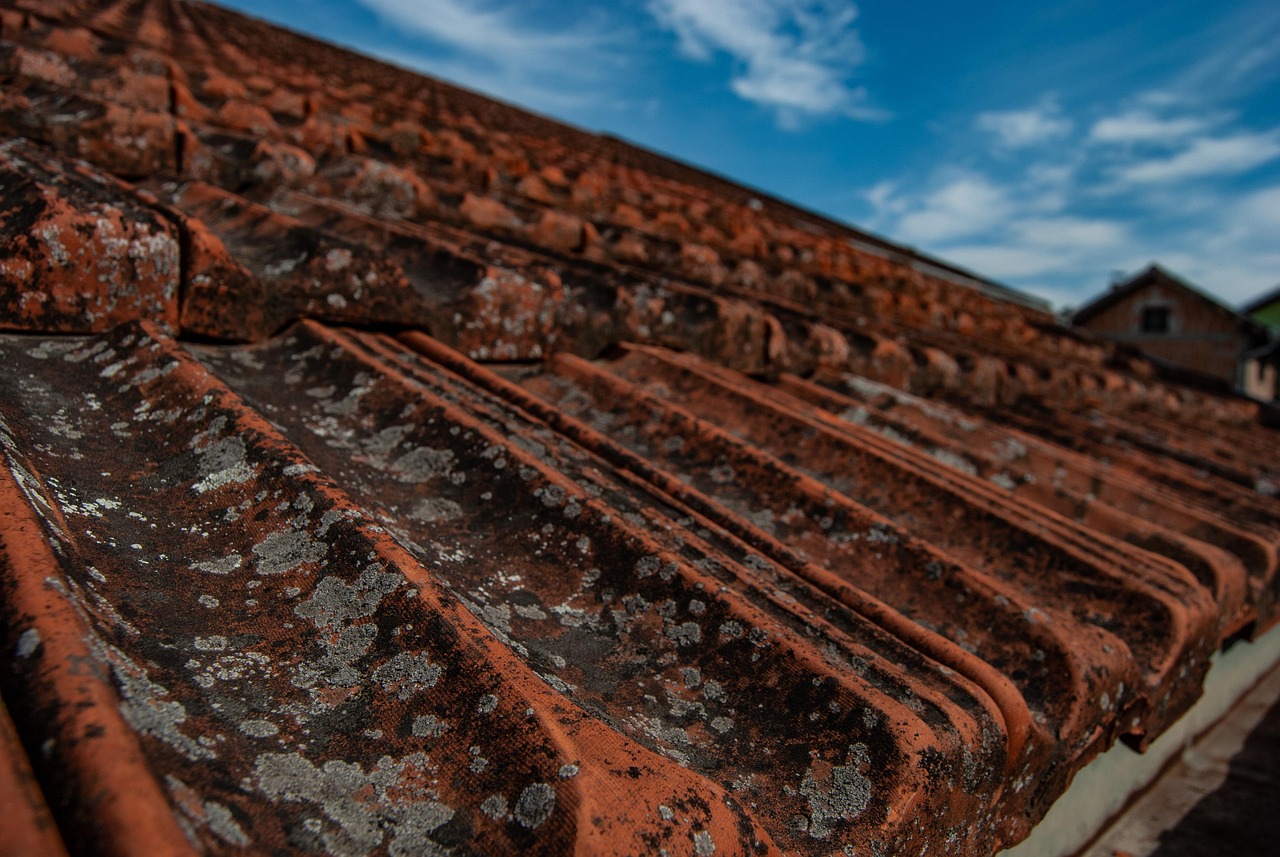
For roofing for office spaces Tampa, establishing clear responsibilities between tenants and landlords is crucial for maintaining a well-functioning commercial environment. This dynamic is especially important in the realm of repairs, as both parties have distinct roles to play. Tenants, being the occupants of the property, are usually responsible for routine maintenance and minor repairs. This includes addressing issues such as leaky faucets, broken windows, and, in some cases, structural damage caused by normal wear and tear. Regular inspections and prompt reporting of these issues to the landlord ensure a comfortable working environment and prevent further complications.
Landlords, on the other hand, are typically tasked with managing major repairs and structural issues that arise in the leased office spaces. This encompasses everything from roof repairs to complex plumbing fixes. In the context of Tampa's dynamic commercial landscape, where niche commercial roofing services Tampa are in high demand, landlords should engage trusted roofing companies known for their expertise in both residential and commercial settings. A trusted roofing company for businesses, capable of providing low-cost roof repair Tampa, can significantly enhance the value of the property and ensure the longevity of the building's exterior.
A tenant might notice a small leak in their ceiling, promptly reporting it to the landlord. The landlord, equipped with a solid network of reliable service providers, would engage a professional roofing contractor to assess and fix the issue. This segregation of responsibilities ensures that both tenants and landlords fulfill their duties, fostering a cooperative relationship that benefits everyone involved. By understanding these roles, office space tenants and landlords can work together to maintain and improve their Tampa properties, ensuring a seamless and efficient process for roofing-related matters.
Local Building Codes: Regulations for Tampa Office Space Roofs

The roofing landscape for leased office spaces in Tampa is shaped significantly by local building codes and regulations. These rules, enforced by the city's building department, are designed to ensure structural integrity, safety, and aesthetic harmony within the urban environment. For office space roofs, Tampa's guidelines encompass a range of considerations, from material choices to installation standards and maintenance protocols.
Building codes in Tampa may dictate the type of roofing material permitted, emphasizing energy efficiency and longevity. Asphalt roofing, a common choice due to its affordability and ease of installation, must meet specific standards for thickness and quality. Conversely, metal roofing, gaining popularity for its durability and low maintenance, may be subject to additional requirements regarding wind resistance and fire safety. Understanding these codes is crucial for both property managers and prospective tenants, as it impacts the choice of a trusted roofing company for businesses in the area.
Prolonging the lifespan of a commercial roof is not just about saving costs; it's a strategic move for any business owner in Tampa. Regular maintenance, as prescribed by local regulations, plays a pivotal role in this. Some codes mandate inspections at specific intervals, ensuring that any issues, from leaks to structural damage, are identified and addressed promptly. A well-maintained roof can extend its lifespan by years, reducing the frequency of costly roof replacement. When budgeting for office space, considering the cost estimation for office roof replacement, along with regular upkeep, is essential for financial planning.
Tampa's building regulations often include provisions for the historical preservation of certain structures, impacting roofing choices. Older buildings, for instance, may require roofers familiar with the unique characteristics of historic preservation. This not only ensures the building's integrity but also adds a layer of complexity to roofing projects, requiring skilled artisans and a keen eye for detail. By adhering to these local building codes, roofing contractors in Tampa contribute to the city's architectural mix and ensure that office spaces remain safe, stylish, and compliant.
Choosing a Roofer: Factors for Leased Office Spaces in Tampa
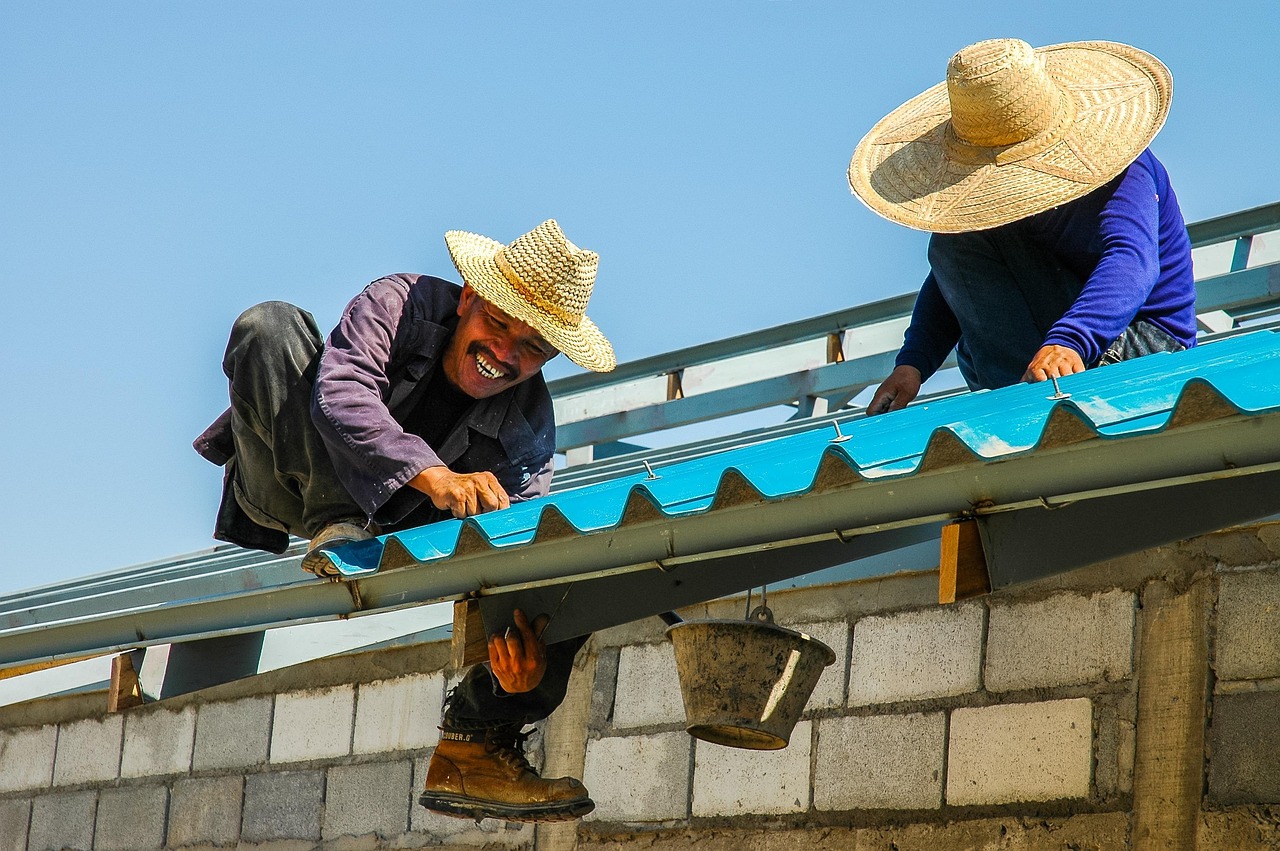
For roofing for leased office spaces in Tampa, choosing the right roofer is crucial. Property managers and lessors face a unique set of challenges, from ensuring top-quality commercial roof maintenance to navigating regulatory requirements. A poor selection can lead to costly repairs, structural issues, and even legal complications. Therefore, it's essential to consider several factors before hiring a roofing contractor.
First and foremost, look for licensed and insured commercial roofers. This guarantees that the contractor is legally authorized to perform roofing work in Tampa and protects both the lessor and the leased premises. Local roofing companies that specialize in office spaces often have a deeper understanding of local building regulations and can provide faster, more efficient service. They also tend to be more attuned to the specific needs of commercial properties. However, don't dismiss national roofing companies; they often offer advanced technologies and the latest in commercial roofing materials, ensuring your office space stays modern and well-protected.
Another critical factor is affordability. Leased office spaces may have strict budget constraints, so finding an affordable yet top-quality roofer is essential. Requesting detailed quotes from several contractors and comparing them based on both cost and service offerings is advisable. A local roofer might charge slightly more but could offer same-day services and 24/7 availability, while a national company might provide more competitive pricing with longer warranty periods. Consider the long-term benefits of investing in high-quality roofing materials and expert installation, which can extend the life of your roof and reduce future repair costs.
Common Roof Problems in Leased Office Buildings, Tampa

Leased office spaces in Tampa often face unique roofing challenges due to a combination of environmental factors, building age, and the constant cycle of tenants. Understanding common roof problems is crucial for property managers and business owners alike. From intense sunlight and UV exposure to frequent foot traffic and the weight of equipment, leased roofs require specialized care to remain functional.
One of the most prevalent issues is early material failure, often visible in the form of missing or damaged shingles, flashing, or metal panels. These problems can be exacerbated by poor installation or lack of regular maintenance. An affordable office roofing Tampa service might offer routine inspections to identify and address issues like loose or missing vents, which can lead to costly water damage and structural problems. Older buildings may have asphalt roofs nearing the end of their service life, requiring urgent replacement to avoid costly repairs.
Emergency roof repair near me is a critical service for leased spaces, as quick response times can mitigate extensive damage. Property managers should maintain relationships with local, licensed, and insured commercial roofers capable of providing same-day services for leaks or storm damage. Considering energy-efficient roofing options can offer long-term savings. Metal roofing, for instance, is durable, fire-resistant, and can significantly reduce energy costs due to its reflective properties, a smart choice for any Tampa business. Regular maintenance and prompt repairs are key to ensuring the longevity and functionality of roofs in leased office spaces.
Preventive Maintenance: Ensuring Longevity for Leased Office Roofs

Preventive maintenance is a cornerstone of ensuring the longevity of your leased office space's roof in Tampa. Regular roof inspections and maintenance can significantly extend the life of your roofing system, saving you from costly repairs or premature replacements. A top-rated commercial roofing service provider in Tampa recommends implementing a structured maintenance schedule, ideally 1-3 times annually, depending on the roof's age and local environmental factors.
The process typically involves a thorough visual inspection to identify any signs of damage, such as missing or loose shingles, leaks, or mold growth. Nearby roofing services for office spaces can offer expert advice on the condition of your roof and recommend appropriate repairs or replacements. A licensed and insured commercial roofer might suggest a complete roof replacement if the existing system has reached the end of its useful life, typically 15-25 years for asphalt roofs and 30-50 years for metal roofing.
Regular maintenance also includes cleaning the roof of debris, ensuring proper drainage, and checking the integrity of flashing and sealants. These preventive measures can guard against structural issues that may arise from a neglected roof, which could lead to significant repairs or even pose a safety risk. By prioritizing roof maintenance, you can maintain the overall integrity of your leased space, protect your investment, and ensure a seamless, cost-effective roofing experience.
For roofing for office spaces Tampa, understanding the intricate web of responsibilities and regulations is crucial. This article has demystified key aspects, from lease agreements that dictate who covers roofing costs to local building codes that ensure structural integrity. It highlighted the importance of distinguishing between tenant and landlord obligations, especially regarding repairs and maintenance.
The guide also underscored the significance of choosing a reliable roofer, emphasizing the need for licensed and insured professionals who understand the unique requirements of commercial properties. By tackling common roof problems proactively, such as damage from extreme weather, and implementing preventive maintenance, tenants and landlords alike can extend the lifespan of their office spaces' roofs.
Moving forward, a key takeaway is that knowledge is power. Being aware of these factors empowers both tenants and landlords to navigate roofing for office spaces Tampa with confidence, ensuring compliance with regulations and minimizing unexpected costs. This authoritative article serves as a comprehensive resource to guide informed decisions and foster sound partnerships in the Tampa commercial real estate landscape.
Key Insights:
- Responsibilities: Landlords typically handle major repairs, while tenants maintain routine tasks like replacing shingles.
- Building Codes: Local regulations dictate material choices, installation standards, and maintenance protocols.
- Roofing Selection: Choose licensed, insured commercial roofer with local expertise for better service and regulatory compliance.
- Common Issues: Address early material failure, emergency repairs, and consider energy-efficient options like metal roofing.
- Preventive Maintenance: Schedule regular inspections (1-3 times/year) to extend roof life, saving on repairs and replacements.