
In the vibrant business landscape of Tampa, the choice of roofing for office spaces is not just about aesthetics or shelter. It's a critical decision with profound environmental implications. Commercial roofing options can significantly impact a building's energy efficiency, waste generation, and even contribute to urban heat islands. This article examines the environmental footprint of various roofing materials and designs, offering insights into how Tampa's businesses can make more sustainable choices. We'll explore concrete steps, from selecting licensed and insured local roofers to understanding regulatory aspects, to help Tampa's office spaces become more eco-friendly without compromising quality or budget.
- Understanding the Environmental Cost of Commercial Roofs
- Material Choices: Sustainability for Office Spaces Tampa
- Energy Efficiency: Rooftops as Insulation for Tampa Offices
- Water Management: Green Roofs and Rainwater Harvesting
- Local Regulations: Green Building Codes in Tampa
- Long-Term Benefits: ROI of Eco-Friendly Commercial Roofing
Understanding the Environmental Cost of Commercial Roofs
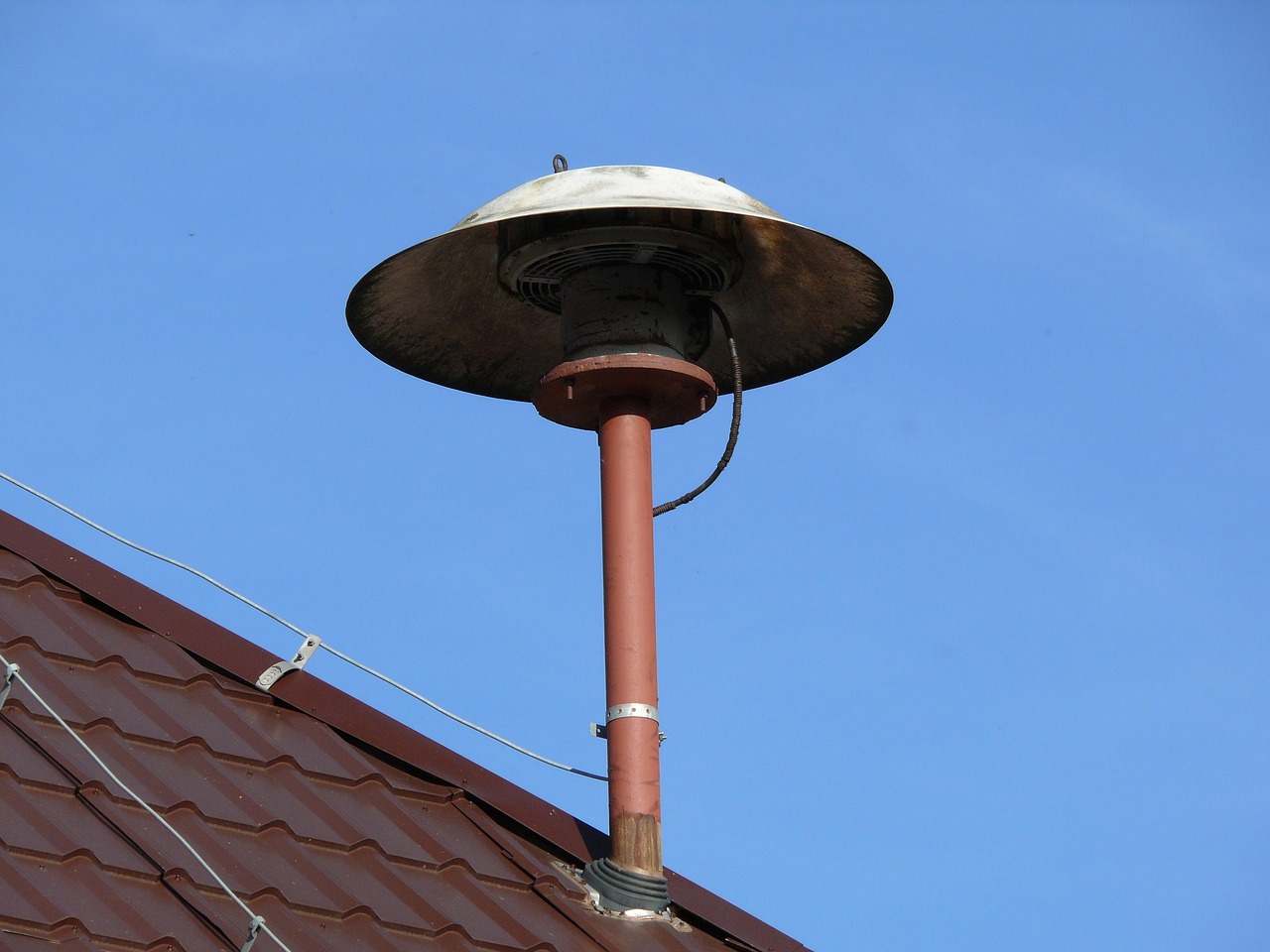
The environmental impact of commercial roofing in office spaces Tampa is a crucial consideration for property managers and building owners. When evaluating roofing options, it's essential to look beyond aesthetics and durability and understand the ecological footprint of the materials and processes involved. The choice of roofing material can significantly influence energy consumption, waste generation, and air quality in urban environments.
Traditional asphalt shingles, a common choice for residential and some commercial buildings, contribute to the carbon footprint due to the petroleum-based materials used in their manufacture. They also have a shorter lifespan, leading to more frequent replacements and associated environmental costs. In contrast, metal roofing, while initially more expensive, offers exceptional longevity, reducing the need for frequent repairs or replacements. This, in turn, lessens the demand for new materials and minimizes construction waste. When considering roofing for office spaces Tampa, property managers should seek expert advice on the most sustainable options, such as metal or historic preservation-approved materials, which can align with energy-efficient building design.
The process of installing or replacing commercial roofs can have environmental implications. The use of inspected and certified roofing contractors ensures that the work is carried out efficiently, minimizing waste and maximizing material utilization. Modern contractors employ techniques like recycling old roofing materials and using environmentally friendly adhesives and sealants. Regular maintenance, including inspections, matters in extending the lifespan of commercial roofs. By identifying and addressing issues early, building owners can prevent major repairs or premature replacements, thereby reducing the overall environmental impact.
The environmental cost of commercial roofing in Tampa is a multifaceted issue. Building owners and managers have a responsibility to choose roofing materials and contractors that promote sustainability and longevity. By doing so, they contribute to a greener, more efficient urban landscape, ensuring that office spaces Tampa remain not only functional but also environmentally responsible.
Material Choices: Sustainability for Office Spaces Tampa
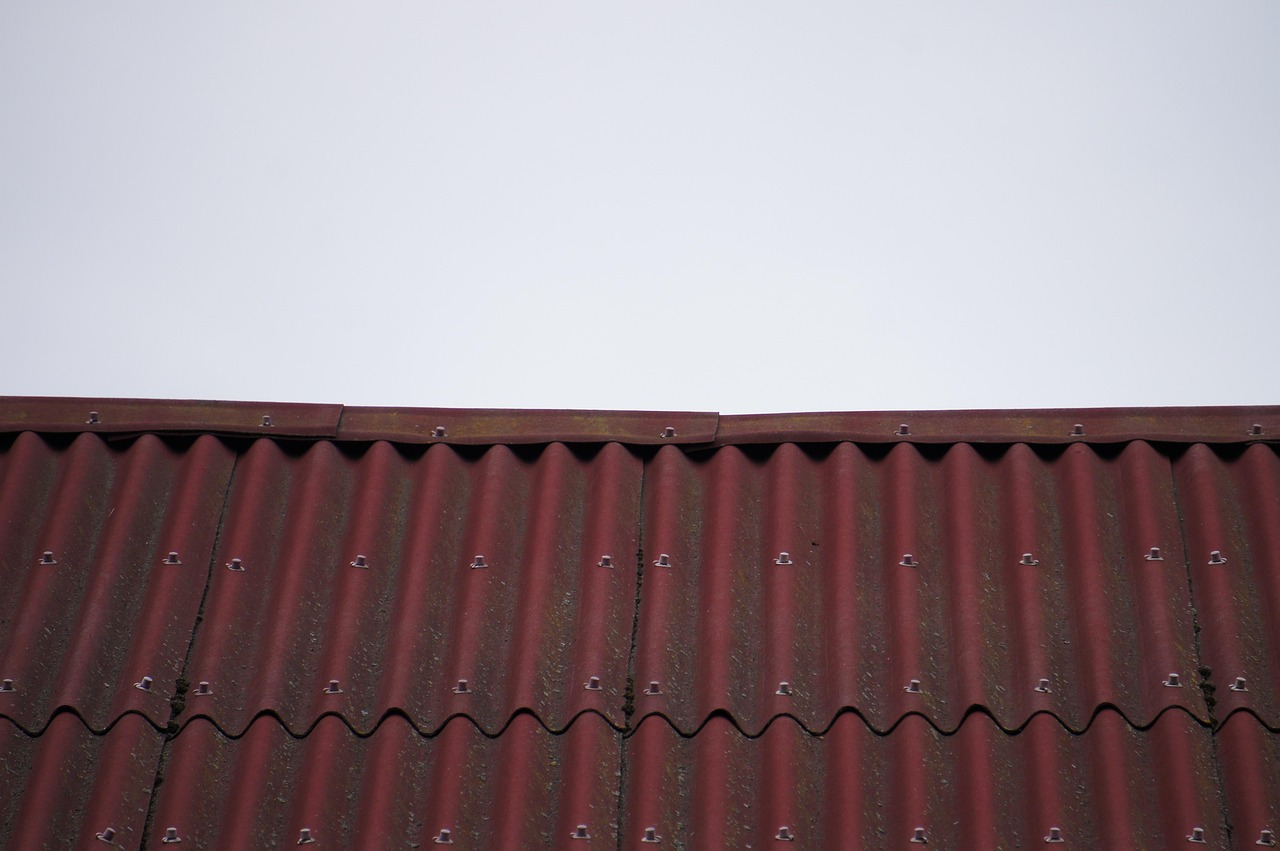
When considering the environmental impact of commercial roofing options for office spaces Tampa, material choices play a pivotal role in sustainability. The roofing industry has seen a growing emphasis on eco-friendly materials and practices, reflecting a broader trend among businesses to reduce their carbon footprint. Nearby roofing services for office spaces Tampa often now offer a range of sustainable options, from recycled asphalt to metal roofing, each with its unique environmental and aesthetic benefits.
One of the most common and cost-effective choices for office spaces is asphalt roofing. However, traditional asphalt often contains petroleum products, raising environmental concerns. A more sustainable alternative is recycled asphalt, which, as the name suggests, uses reclaimed asphalt pavement (RAP) in its manufacturing, reducing the demand for new petroleum-based materials. This not only cuts down on waste but also minimizes the energy required for production, making it a more eco-friendly option.
Metal roofing has also gained popularity among businesses seeking both durability and sustainability. Metal is a highly recyclable material, and its long lifespan reduces the need for frequent replacements. Metal roofing can be designed to resemble traditional materials like slate or terracotta, enhancing the aesthetics of commercial roofing design while still offering the benefits of durability and energy efficiency. Niche commercial roofing services Tampa often specialize in these types of innovative designs, catering to the specific needs and preferences of their clients.
When making a decision, consider the local building regulations and the specific environmental impact of each material. Some materials may be more suitable for certain climates or may require specific disposal methods, which can add to their overall environmental footprint. Consult with licensed and insured local roofing contractors to understand the best options for your office space. They can offer insights into the durability, maintenance, and long-term cost-effectiveness of each material, ensuring you make an informed choice that not only benefits your business but also contributes to the sustainability of Tampa's built environment.
Energy Efficiency: Rooftops as Insulation for Tampa Offices
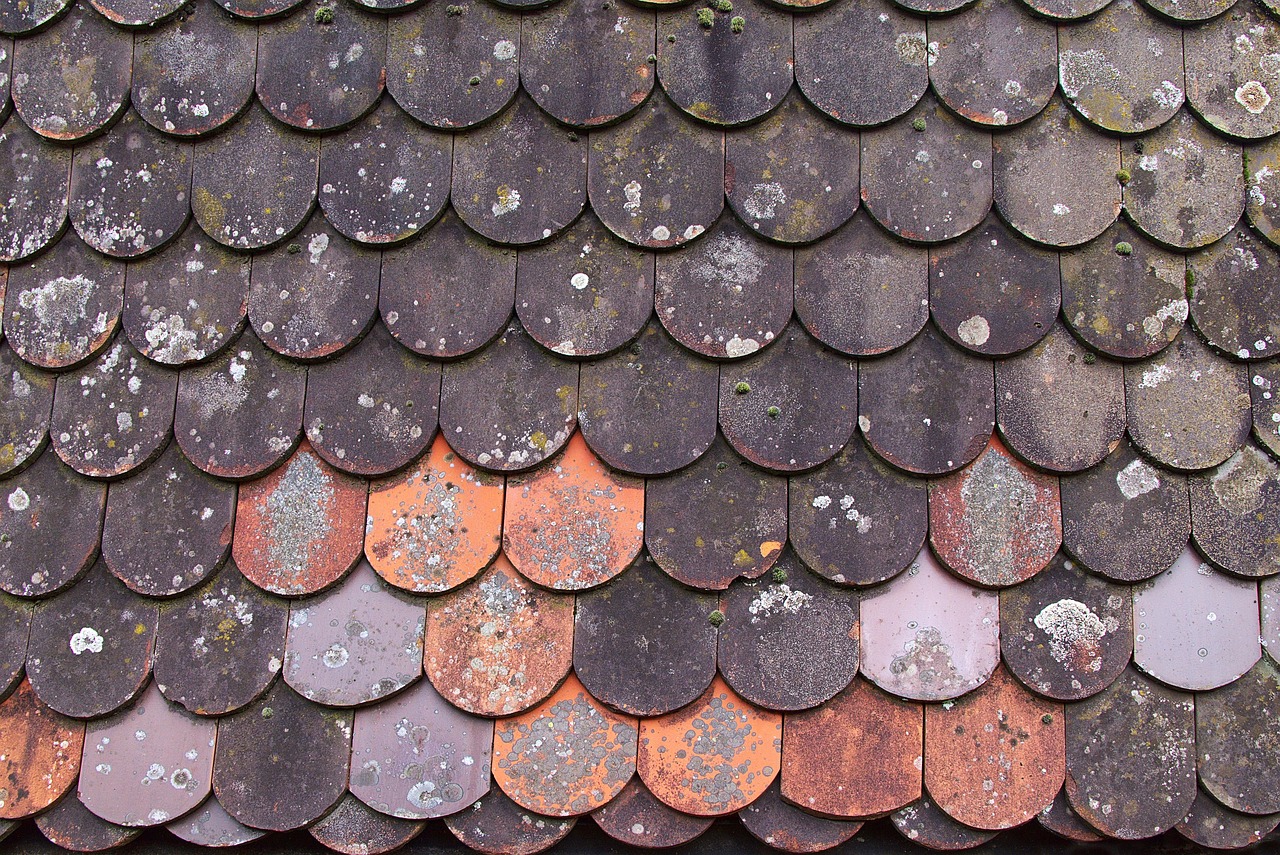
Rooftops play a crucial role in the energy efficiency of office spaces in Tampa, serving as both insulation and a key factor in the overall environmental impact of commercial roofing options. When considering roofing for office spaces Tampa, property owners and managers should focus on materials that offer superior thermal performance. This can significantly reduce heating and cooling costs, which account for a substantial portion of energy consumption in commercial buildings.
Metal roofing has gained popularity among nearby roofing services for office spaces due to its excellent heat reflection and conductivity. Unlike traditional asphalt roofing, metal panels can create a nearly impenetrable barrier against heat transfer, minimizing the need for extensive insulation. This not only lowers energy costs but also reduces the carbon footprint of these buildings. Metal roofing offers a long-lasting, durable solution, which aligns with the goal of reliable roofing solutions for offices-a critical aspect when budgeting for roof replacement.
Expert advice on roof replacement for Tampa office spaces emphasizes the importance of choosing energy-efficient materials. Property owners can expect significant returns on investment through lower utility bills and improved building performance. By prioritizing energy efficiency, owners can also meet the growing demand for environmentally conscious buildings. This trend is not just a local phenomenon; across the nation, many building regulations now encourage or mandate the use of energy-efficient roofing materials to promote sustainable practices.
Water Management: Green Roofs and Rainwater Harvesting
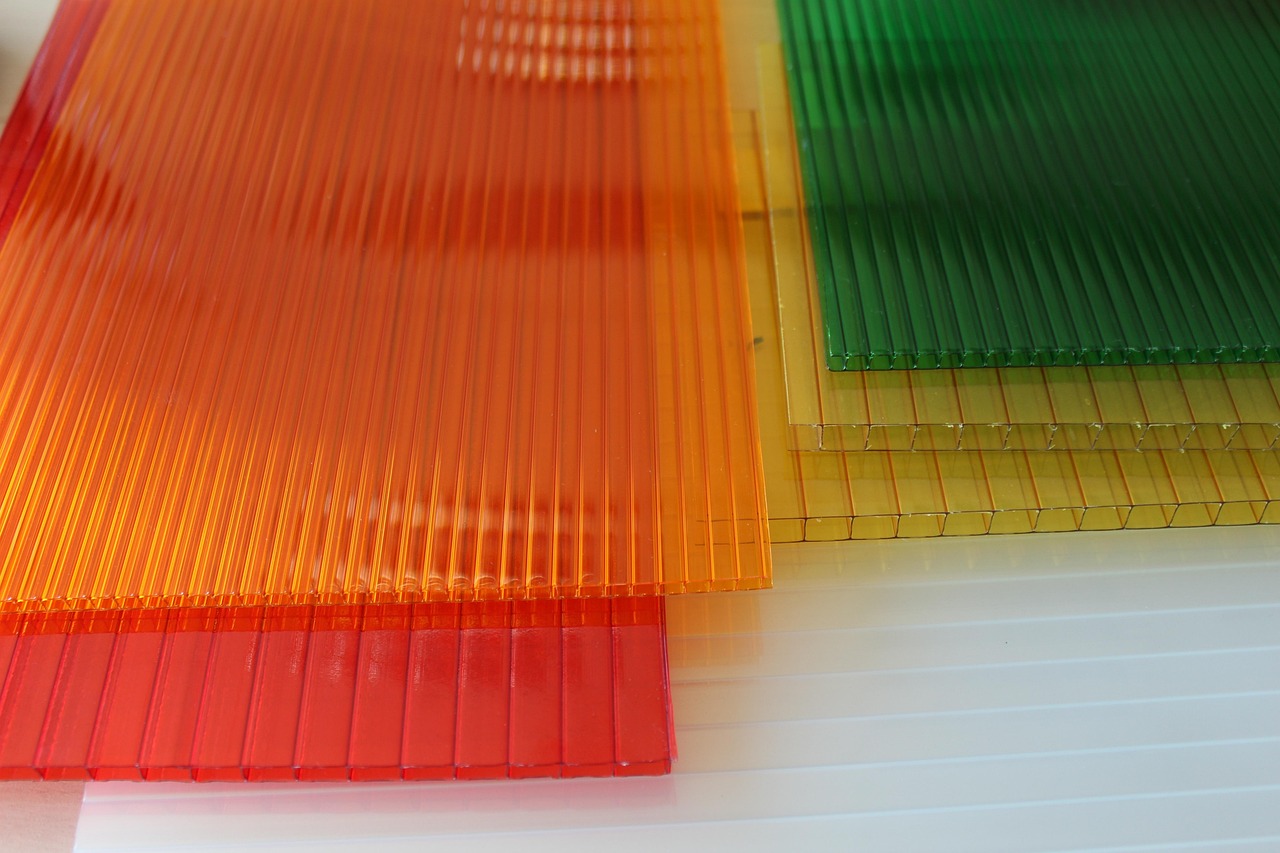
Water management is a critical yet often overlooked aspect of commercial roofing, especially in the context of roofing for office spaces Tampa. Green roofs and rainwater harvesting offer sustainable solutions that not only reduce environmental impact but also provide economic benefits. Green roofs, for instance, act as natural insulators, lowering cooling and heating costs. They also absorb rainwater, reducing stormwater runoff and easing pressure on sewer systems. This is particularly important in urban areas like Tampa, where infrastructure can be strained during heavy rainfall.
One effective method within rainwater harvesting is to utilize a system that collects and stores rainwater for various non-potable uses, such as irrigation, toilet flushing, and even heating and cooling. This not only conserves water but also significantly reduces the energy required for water treatment and distribution. According to consumer reports on commercial roofers, Tampa-based contractors who specialize in green roofing and rainwater harvesting can help businesses lower their environmental footprint while offering long-term cost savings. Inspected and certified roofing contractors familiar with these systems can ensure their proper installation and maintenance, which is crucial for maximizing their benefits.
Top-quality commercial roof maintenance plays a pivotal role in the longevity of these systems. Regular inspections and timely repairs prevent leaks that could disrupt the water collection process. By prioritizing routine care, building owners can ensure their rainwater harvesting systems function at peak efficiency. A local roofing company in Tampa offers comprehensive green roof maintenance packages, including cleaning, inspection, and repair services. This proactive approach not only preserves the environmental benefits but also extends the lifespan of the roofing system, making it a valuable investment for any commercial property.
Local Regulations: Green Building Codes in Tampa
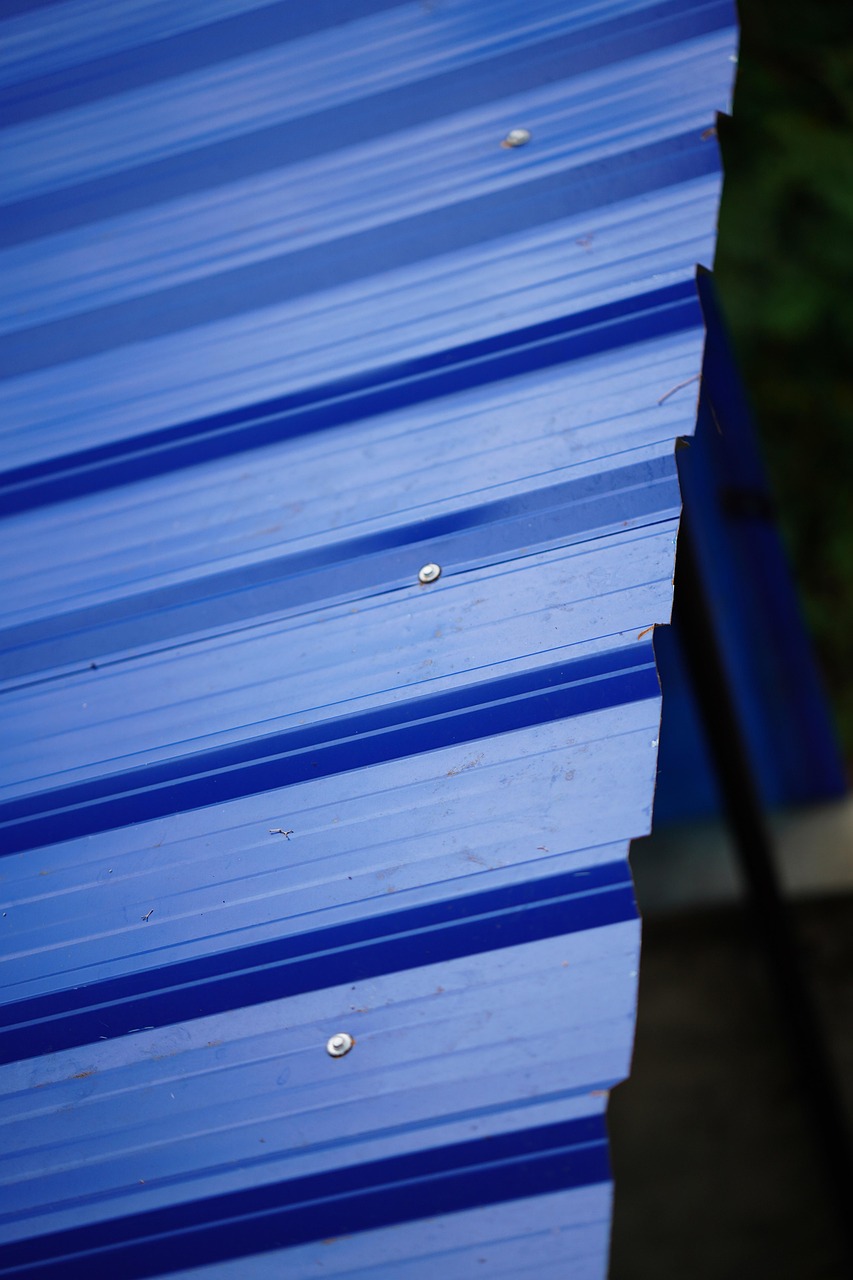
The environmental impact of roofing for office spaces Tampa is increasingly a key consideration in the city's commercial real estate sector. Tampa, like many modern cities, is embracing green building codes to reduce its carbon footprint. These regulations play a pivotal role in shaping the choice of roofing materials and designs for local businesses.
At the heart of Tampa's green building efforts is the adoption of the latest in commercial roofing materials designed for longevity and sustainability. The city's building regulations actively encourage the use of environmentally friendly options, such as metal roofing, known for its superior durability and recyclability. A same-day roof inspection in Tampa can help identify potential issues early, promoting the longevity of commercial roofs. Longer-lasting roofs mean reduced waste and lower maintenance costs, both vital considerations for businesses.
Tampa's green building codes also encompass historic preservation, allowing for the integration of traditional roofing materials that blend with the city's unique character. This approach not only reduces the environmental impact of new constructions but also preserves Tampa's architectural heritage. When considering roofing for office spaces, businesses have the opportunity to contribute to the city's sustainability goals while enhancing their own operational efficiency.
The city's regulatory framework provides a framework for responsible roofing practices, including clear guidelines for roofing permits and ensuring compliance with building regulations. This ensures that the roofing industry in Tampa operates within a robust legal protection system, deterring potential scams and promoting consumer confidence. By adhering to these codes, businesses can be assured that their roofing choices not only comply with local laws but also contribute to a more sustainable Tampa.
Long-Term Benefits: ROI of Eco-Friendly Commercial Roofing

The environmental impact of commercial roofing in Tampa goes beyond aesthetics, playing a crucial role in the long-term sustainability and cost-effectiveness of office spaces. When considering reliable roofing solutions for Tampa offices, eco-friendly options offer significant returns on investment (ROI). These roofs not only reduce a building's carbon footprint but also provide durable, long-lasting protection against the region's unique weather conditions.
One of the most tangible benefits is energy efficiency. This is particularly valuable in Tampa's hot, humid climate. A study by the U.S. Department of Energy found that reflective roofs in urban areas can decrease surface temperatures by up to 50F, mitigating the urban heat island effect. By choosing environmentally conscious roofing for their offices, Tampa businesses can substantially lower their energy bills and contribute to a more sustainable city.
Many eco-friendly roofing materials are designed to withstand the region's challenges. Asphalt roofing, for example, is a popular choice for its affordability and versatility. However, traditional asphalt can degrade under intense UV radiation and fluctuating temperatures. By selecting high-quality, UV-resistant asphalt or considering metal roofing options, Tampa office owners can protect their investment. Inspected and certified roofing contractors specializing in these materials can ensure proper installation, enhancing the roof's lifespan and structural integrity. This longevity translates to reduced replacement costs and fewer repairs, further bolstering the ROI of green roofing.
The aesthetic appeal of commercial roofing design in Tampa is another factor contributing to its environmental benefit. Historic preservation styles, for instance, can be achieved with eco-friendly materials, enhancing a building's curb appeal while minimizing its environmental impact. With the right combination of design and functionality, green roofing can elevate the overall look of a property while promoting sustainability. This approach not only benefits the building's occupants with a pleasant environment but also attracts environmentally conscious tenants and clients.
Frequently Asked Questions About The Environmental Impact of Commercial Roofing Options
What is the environmental impact of commercial roofing in general? Commercial roofing has a significant environmental impact, primarily due to the materials used and the disposal of these materials. The manufacturing processes of common roofing materials, like asphalt and metal, often involve fossil fuels, leading to greenhouse gas emissions. The disposal of old roofs contributes to landfill waste, as many materials are not readily recyclable. However, the impact can be mitigated by choosing eco-friendly options, such as green roofs or recycled materials, and implementing proper recycling and disposal practices.
How do different commercial roofing materials impact the environment? Each roofing material has its own environmental footprint. Asphalt roofs, while cost-effective, contribute to local air pollution during installation due to the release of volatile organic compounds (VOCs). Metal roofs, though durable, require significant amounts of energy for production and can generate substantial waste during manufacturing. On the other hand, green roofs offer environmental benefits by improving insulation, reducing heat island effects, and providing habitats for urban wildlife.
Are there any environmental benefits to choosing a commercial roofing system with a longer lifespan? Absolutely. Long-lasting roofing systems, such as metal or tile roofs, can significantly reduce the environmental impact of commercial buildings. These systems require fewer replacements, cutting down on waste generation and the energy needed for manufacturing new materials. A durable roof also translates to less maintenance, which can decrease the carbon footprint of operations.
What are some ways to make commercial roofing more sustainable? Sustainability in commercial roofing can be achieved through several means. Using recycled materials and products with a lower carbon footprint is a start. Implementing green building standards and certifications, like LEED, can encourage the use of eco-friendly materials. Proper roof maintenance and regular inspections also extend the lifespan of roofs, reducing the need for frequent replacements.
Can commercial roofing systems be designed to help with energy efficiency? Yes, designing commercial roofs with energy efficiency in mind is possible. Flat roofs, for instance, can be transformed into green roofs, offering better insulation and helping regulate indoor temperatures. Reflective roofing materials can reduce the heat absorbed, leading to lower cooling costs and a smaller environmental footprint.
How does the choice of roofing impact a commercial building's overall sustainability? The choice of roofing significantly influences the building's sustainability. A well-chosen roofing system can contribute to energy savings, reduce waste, and lower greenhouse gas emissions. It can also play a role in water management, with options like green roofs helping with rainwater absorption and reducing the risk of flooding. A sustainable roof is a key component in achieving a building's overall environmental goals.
As we've explored the environmental impact of commercial roofing options for office spaces Tampa, several key insights emerge. Firstly, the choice of materials, from traditional asphalt to sustainable metal roofing, plays a pivotal role in reducing a building's carbon footprint. Energy-efficient roofs act as insulation, minimizing HVAC energy costs. Green roofs and rainwater harvesting systems contribute to water conservation and urban heat island mitigation. Local green building codes in Tampa incentivize eco-friendly practices, offering long-term financial benefits through reduced utility bills and increased property value.
Implementing these strategies not only aligns with sustainability goals but also provides tangible returns on investment. By prioritizing environmentally conscious roofing for office spaces Tampa, businesses can contribute to a healthier planet while enhancing the overall efficiency and appeal of their properties.
Moving forward, consider engaging with top-rated Tampa roofers who specialize in sustainable practices, ensuring compliance with local regulations while maximizing the environmental and economic benefits discussed here.
Roofing for Office Spaces Tampa: A Practical guide to Environmental Sustainability
The environmental impact of commercial roofing in Tampa is a critical consideration for property managers. Choosing sustainable materials and practices reduces carbon footprint, minimizes waste, and promotes energy efficiency. Eco-friendly options like recycled asphalt and metal roofing offer long-term savings and enhanced building performance. Green roofs and rainwater harvesting further reduce environmental impact, with economic benefits. Tampa's green building codes guide responsible roofing decisions, ensuring compliance and consumer protection. By prioritizing eco-conscious roofing, businesses in Tampa contribute to a greener, more efficient urban landscape.