
In the dynamic world of commercial real estate, the roof is often an overlooked yet critical component. For leased office spaces in Tampa, proper roofing is not just about aesthetics; it's a structural necessity that impacts tenants' comfort and the building's long-term value. However, navigating the complexities of roofing responsibilities can be a challenge, especially with multiple stakeholders involved. This article cuts through the confusion to provide a clear guide on who's responsible for roofing in these spaces, ensuring both landlords and tenants understand their roles and rights. We'll examine crucial aspects like choosing reliable roofers, understanding maintenance protocols, and navigating the regulatory landscape to offer practical insights tailored to the Tampa office space market.
- Understanding Tenant Responsibilities for Office Space Roofing
- Landlord's Role: Maintaining Roof Integrity in Leased Spaces
- Common Roofing Issues in Tampa Office Buildings
- Who Covers Repairs: Tenant or Landlord?
- Negotiating Roofing Terms in Leased Office Agreements
- Expert Tips for Efficient Roofing Management in Tampa Office Spaces
Understanding Tenant Responsibilities for Office Space Roofing
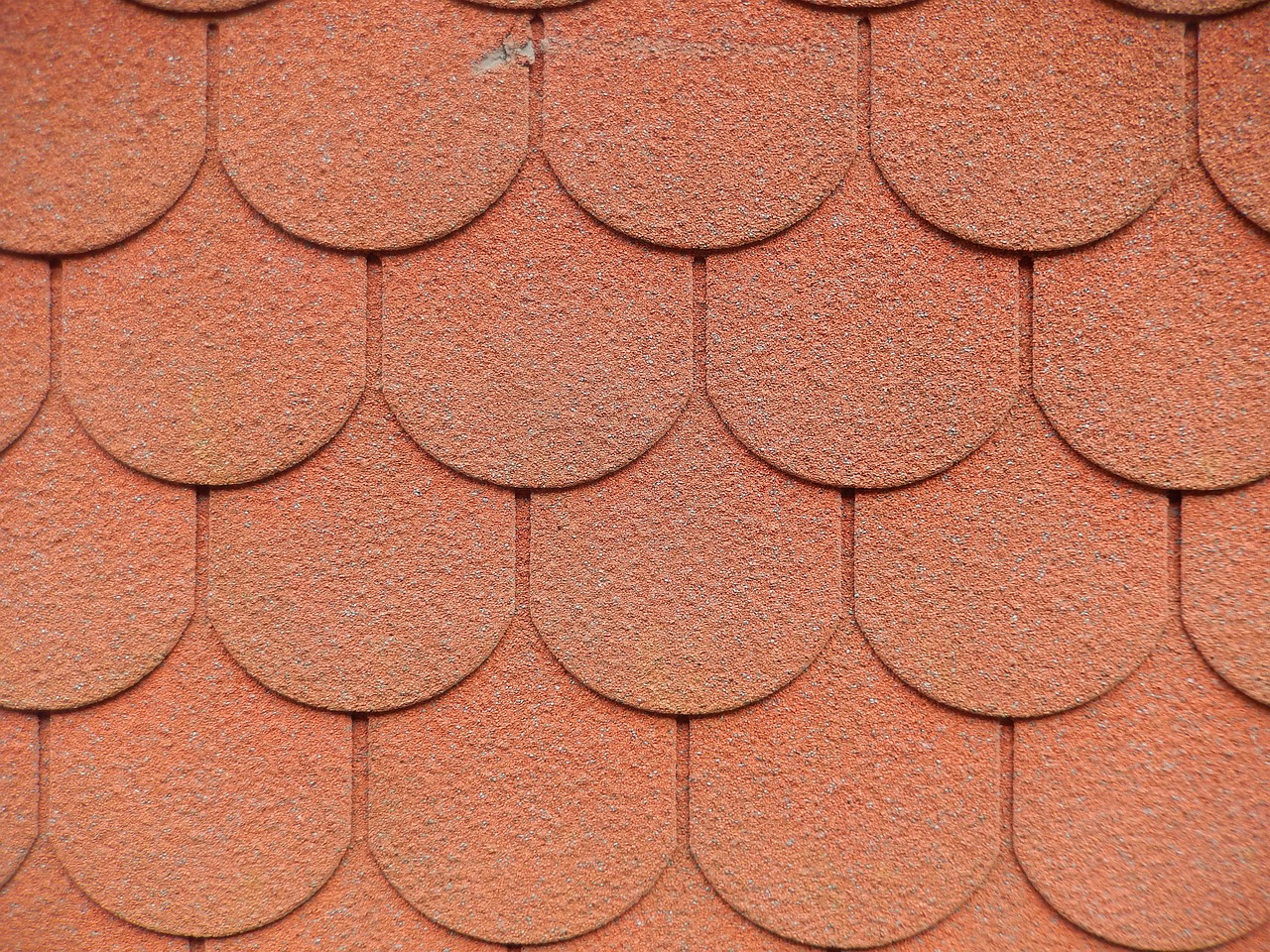
When renting or leasing an office space in Tampa, understanding the responsibilities regarding the roofing is crucial. As a tenant, you are typically not responsible for the structural integrity of the building, but the roof is often your purview. This includes ensuring it's maintained to prevent costly repairs and replacements. The longevity of commercial roofs varies based on materials and installation, but proper top-quality commercial roof maintenance can extend their lifespan significantly.
Regular inspections and prompt reporting of any roof damage are key. If you notice missing shingles or signs of water intrusion, inform your property manager immediately. Quick action can prevent minor issues from escalating into major structural problems. Many leasing agreements include provisions for roof maintenance and repairs, outlining who is responsible for what. Ensure you understand these terms to avoid unexpected financial burdens. Environmentally friendly roofing options are increasingly popular, offering benefits beyond aesthetics; they can improve energy efficiency and reduce a building's carbon footprint.
Over time, the roof may need repairs or even replacement, which typically falls on the landlord's shoulders. However, some leases may stipulate that the tenant is responsible for routine maintenance or specific types of repairs. It's essential to know your agreement and budget accordingly. A lease might require you to maintain the roof's water-repellent coating, replacing it when necessary. Proactive tenant involvement in roof care can lead to better building conditions and fewer surprises.
Landlord's Role: Maintaining Roof Integrity in Leased Spaces
In the context of leasing office spaces in Tampa, maintaining a robust roofing system is paramount for landlords. The roofing for office spaces Tampa market offers a variety of options, from local roofing companies to national providers, each with varying expertise and service levels. As a landlord, your primary responsibility is to ensure the roof's integrity, which involves both proactive maintenance and timely repairs. Regular inspection and upkeep, for instance, can prevent costly structural issues and minimize downtime for tenants.
For repairs, landlords should aim for swift and efficient solutions. Same-day services and 24/7 availability from top-rated Tampa roofers can be a best-value roofing option for leased spaces, ensuring minimal disruption to tenants and business operations. This is particularly important in a competitive commercial real estate market where business continuity is crucial. Energy-efficient roofing materials are a growing trend in commercial spaces. Incorporating these latest in commercial roofing materials can not only reduce utility costs but also enhance the building's appeal to eco-conscious tenants.
Regulatory compliance is another critical aspect of roofing for leased office spaces in Tampa. Landlords must navigate building regulations and obtain the necessary roofing permits to ensure any repairs or replacements meet local codes. Budgeting for these requirements is essential, as unexpected roof damage can significantly impact cash flow. A thorough understanding of roof replacement costs can help landlords plan for long-term maintenance and avoid potential financial pitfalls. Lastly, being aware of common roofing scams and understanding legal protections can safeguard both landlords and tenants, ensuring a fair and transparent roofing process in Tampa's competitive real estate landscape.
Common Roofing Issues in Tampa Office Buildings
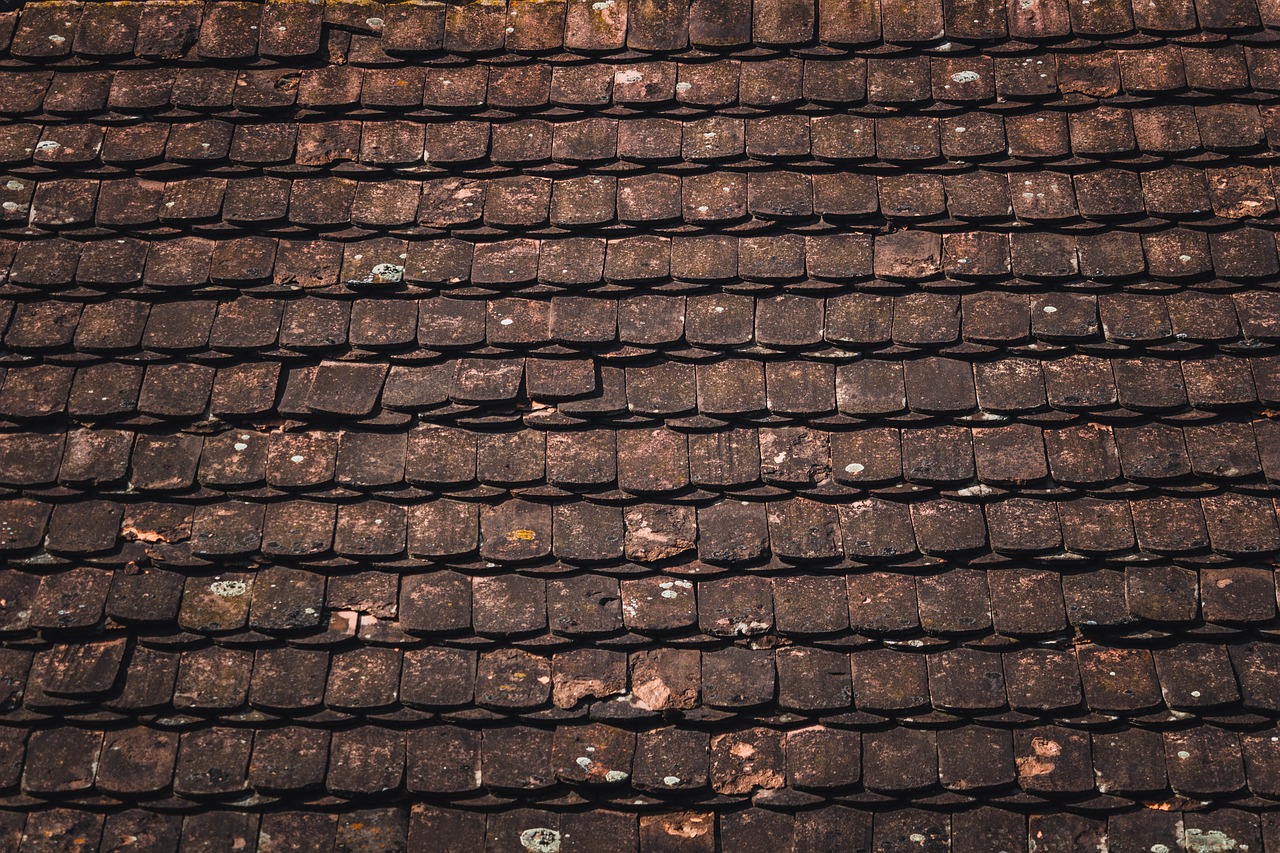
Tampa's commercial real estate landscape is characterized by a diverse mix of office buildings, each with its unique roofing challenges. The city's fluctuating weather patterns, including intense storms and prolonged heat, can accelerate roof wear and tear, making roofing for office spaces Tampa a critical aspect of building maintenance. Common roofing issues in Tampa office buildings range from minor leaks to significant structural damage, often stemming from outdated materials, inadequate installation, or lack of proper maintenance.
One of the primary concerns is the longevity of commercial roofs. In this region, asphalt roofs typically last between 15 to 25 years with proper care, while metal roofing can extend its lifespan to 30 years or more. However, many Tampa office buildings have older roofs that are nearing, or have already passed, their optimal lifespan. Prolonging these roofs' life requires regular inspection and maintenance. Checking for loose or damaged shingles, sealing flashing around pipes and vents, and addressing clogs in drainage systems can significantly reduce the risk of leaks and other roof-related problems.
The latest in commercial roofing materials offers enhanced durability and energy efficiency. Reflective coatings on asphalt roofs can mitigate heat absorption, reducing cooling costs. Metal roofing, known for its resistance to high winds and fire, is gaining popularity for its long-term benefits. Property managers in Tampa should weigh these modern options against traditional materials when budgeting for roof replacements. By choosing materials that align with the building's age, design, and location, they can ensure both structural integrity and cost-effectiveness.
Lastly, proper installation is paramount. Building owners and managers should engage licensed and insured commercial roofers with experience in Tampa's unique conditions. Regular inspections and prompt repairs can prevent minor issues from escalating into costly and time-consuming structural problems. Staying proactive in roofing for office spaces Tampa is key to maintaining the building's value and ensuring the safety and comfort of tenants.
Who Covers Repairs: Tenant or Landlord?

For repairs in leased office spaces in Tampa, understanding who covers the cost is crucial for tenants and landlords alike. In many cases, the lease agreement will dictate who is responsible for roofing repairs. Typically, minor repairs, such as fixing a leak or replacing a few shingles, fall under the tenant's responsibility. This includes regular maintenance tasks like cleaning gutters and inspecting the roof for any damage. Tenants should be proactive in addressing these tasks to prevent more significant issues and avoid unexpected expenses.
A tenant might be responsible for scheduling same-day services to fix a small leak, ensuring the office space remains functional. However, major repairs or replacements, like a complete roof overhaul due to extensive damage from a storm, are often covered by the landlord. High-quality commercial roof maintenance is essential for Tampa businesses, and top-rated local companies can provide expert services tailored to leased spaces. Niche commercial roofing services in Tampa can offer specialized solutions for historic buildings, ensuring energy-efficient options while preserving the structure's character.
Landlords, on the other hand, should ensure they have adequate insurance covering the building's structural integrity, including the roof. They must also adhere to local building regulations and obtain the necessary permits for any roofing work. Regular inspections and maintenance plans, managed by a licensed and insured commercial roofer, can help extend the lifespan of the roof and prevent costly repairs. When disputes arise, clear communication and a thorough review of the lease agreement can help determine liability, ensuring both parties understand their responsibilities regarding roofing for office spaces in Tampa.
Negotiating Roofing Terms in Leased Office Agreements

When leasing office space in Tampa, negotiating roofing terms is a critical-and often overlooked-aspect of the agreement. The roofing for office spaces Tampa contract should clearly outline who is responsible for what, especially considering the significant investment in commercial real estate. This section examines practical strategies to ensure a fair and sustainable roofing arrangement for both landlords and tenants.
A thorough understanding of energy-efficient roofing for businesses can save costs in the long run. Modern materials and designs, like metal roofing, can prolong the lifespan of a commercial roof by decades, even in Tampa's challenging weather. Implementing a regular roof maintenance schedule-ideally 1-3 times per year-can detect and repair issues early, preventing costly emergency repairs. The goal is to create a win-win scenario: tenants benefit from cost savings and reduced downtime, while landlords enjoy increased property value and tenant satisfaction.
A landlord-tenant collaboration on roofing terms is essential. Start by assessing the current state of the roof, its age, and expected lifespan. This information guides decisions on repairs, replacements, or upgrades. If the roof is nearing the end of its useful life, consider negotiating a roof replacement cost shared between the landlord and tenant, based on square footage or a fixed percentage. Regular communication and a well-structured lease agreement ensure everyone understands their responsibilities, fostering a strong partnership for the upkeep of the office space in Tampa.
Stay vigilant against roofing scams that target businesses. Some contractors may offer inflated repair or replacement quotes. Protect yourself by obtaining multiple bids, verifying licenses and insurance, and reading reviews from other commercial property owners. Legal protection and a well-informed approach are key to avoiding financial headaches and ensuring the longevity of your office space's roof.
Expert Tips for Efficient Roofing Management in Tampa Office Spaces

In the bustling office spaces of Tampa, efficient roofing management is crucial for landlords and property managers. When dealing with leased spaces, ensuring the roof's integrity is a collaborative effort involving several stakeholders. This section offers expert tips for understanding roofing for office buildings in Tampa, focusing on responsible management and best practices.
Choosing a reliable roofer is the foundation of any successful roofing project. Tampa boasts numerous local roofing companies, but it's essential to select a top-rated commercial roofing service that holds a valid license and insurance. Consider firms specializing in green building certified roofing, aligning with the growing trend towards sustainable practices. These companies often employ the latest in commercial roofing materials, ensuring both durability and environmental friendliness. Metal roofing has gained popularity for its longevity and ability to withstand the region's weather, but traditional asphalt roofing remains a cost-effective option with advancements in material composition.
Regular maintenance and prompt repairs are key to preventing major issues. Landlords should implement a comprehensive inspection program to identify minor problems before they escalate into costly structural damage. With 24/7 availability and same-day service options, modern commercial roofing contractors make it easy to address roof concerns swiftly. A routine inspection might reveal a loose shingle, easily repaired before it becomes a leak, saving tenants and landlords from significant water damage and the subsequent structural repairs.
Staying informed about local building regulations is paramount. Tampa's building codes dictate roofing permits and material choices, especially when preserving historic buildings. Engaging with contractors familiar with these regulations ensures compliance and a successful project outcome. Budgeting for roof replacement is a critical aspect of long-term property management. By staying proactive and choosing the right materials and experts, landlords can minimize unexpected roofing expenses and maintain their office spaces in top condition.
Frequently Asked Questions About Roofing for Leased Office Spaces: Who's Responsible?
Who is typically responsible for roofing maintenance in a leased office space?
In a leased office space, the responsibility for roofing maintenance often shifts between the landlord and the tenant, depending on the terms of the lease agreement. Generally, the landlord is responsible for major roofing repairs and structural issues. However, the tenant might be tasked with routine maintenance, such as clearing gutters, sealing leaks, and replacing missing shingles, to ensure the roof remains in good condition.
How do I know if a roofing issue is my responsibility or the landlord's?
Review your lease agreement carefully. It should outline who is responsible for specific roofing tasks. Look for clauses related to maintenance, repairs, and replacement. If the agreement is unclear, consult with both the landlord and your property manager to understand the expectations and avoid disputes.
What should I do if a roofing problem arises during my tenancy?
First, document the issue with photos and descriptions. Then, inform your property manager or landlord promptly. They should be notified regardless of who's responsible. If the problem is your responsibility, proceed with the necessary repairs promptly. For landlord-responsible issues, follow up to ensure timely resolution.
Can I perform my own roofing repairs as a tenant?
Yes, you can usually perform routine roofing repairs yourself if the lease allows. However, for more significant work, it's advisable to hire a licensed contractor to avoid voiding your lease or causing structural damage. Always prioritize safety and ensure any repairs meet local building codes.
How can I ensure the roof is in good condition during my tenancy?
Regular inspections are key. Schedule periodic checks with a professional to assess the roof's condition. This proactive approach helps identify minor issues before they become major repairs. Maintaining proper ventilation, clearing debris, and sealing entry points can contribute to the overall longevity of the roof.
In the dynamic world of commercial real estate, understanding the complexities of roofing for office spaces Tampa is paramount for both tenants and landlords. This article has dissected the crucial aspects of roofing management in leased office spaces, offering a practical guide to navigate the responsibilities, potential issues, and legal considerations.
Key takeaways emerge: Tenants and landlords share the burden of roof maintenance, with clear lines defined by lease agreements. Regular inspections and prompt addressing of damage, especially from common Tampa weather events, are vital to prevent costly repairs. When repairs are needed, understanding the terms of the lease and local building regulations ensures fair allocation of costs.
This guide highlights the importance of choosing a reputable roofer, whether local or national, to ensure quality and protection from potential scams. Negotiating roofing clauses and budgeting for replacement costs proactively safeguard investments in Tampa's office spaces.
Moving forward, tenants and landlords equipped with this knowledge can collaborate effectively, ensuring the longevity and integrity of office roofs. By following these guidelines, the Tampa commercial real estate landscape becomes a more transparent and secure environment for all stakeholders.
In Tampa, roofing for leased office spaces involves understanding responsibilities, maintaining structural integrity, and budgeting for repairs or replacements. Regular inspections, prompt reporting of damage, and knowledgeable contractors are key. Leases often outline maintenance duties, and environmentally friendly options can enhance energy efficiency. Landlords should prioritize roof care, stay informed about regulations, and engage licensed, insured professionals to ensure building value and tenant satisfaction.