In the bustling heart of Tampa, where businesses thrive and leases are signed, the roof over your office space plays a critical role in the overall success and safety of your operation. However, navigating the responsibilities of roofing maintenance and repairs for leased properties can be a complex web. This article cuts through the confusion to provide a clear guide for Tampa-based businesses. We'll explore who's responsible for roofing in these scenarios, shedding light on the importance of choosing the right roofer, understanding regulatory requirements, and avoiding common scams. By the end, you'll be equipped to ensure your office space's roof is a source of security, not stress.
- Understanding Leased Office Space Requirements
- Legal Responsibilities: Tenant vs. Landlord
- Hiring a Professional Roofer in Tampa
- Evaluating Roofing Materials for Commercial Spaces
- Maintenance and Repairs: Who Pays?
- Preventive Measures for Longevity and Safety
Understanding Leased Office Space Requirements

For roofing for office spaces Tampa, understanding the specific requirements of a leased space is crucial. Leased office buildings often have unique needs and constraints due to their contractual agreements, which can significantly impact the roofing process. A key consideration is the lease term and any associated clauses regarding maintenance and repairs. Some leases may specify the type of roofing materials or methods allowed, especially if the property has historical significance or falls under green building certifications. A 10-year lease might require a roof that's more durable and long-lasting, while a green building certification could mandate environmentally friendly, reflective roofing materials.
In Tampa, property managers and business owners should consult with a trusted roofing company that has experience working with leased office spaces. A trusted roofing partner can provide expert advice on navigating building regulations and ensuring compliance. They can also offer cost-effective solutions without compromising quality. A local, licensed, and insured commercial roofer might suggest a long-lasting metal roofing system for an office space, which could reduce maintenance costs in the long run. However, it's essential to factor in the initial cost estimation for office roof replacement, as metal roofing tends to be more expensive than traditional asphalt roofing.
Regular roof maintenance and repairs are vital for leased office spaces. Ignoring roof damage can lead to structural issues and costly repairs down the line. A reputable roofing company should offer same-day services and 24/7 availability to address any roof-related emergencies promptly. Staying updated with local roofing permits and building regulations is essential to avoid legal complications. By choosing a qualified and experienced roofing contractor, business owners can ensure their leased office spaces in Tampa remain well-maintained, safe, and compliant with local codes.
Legal Responsibilities: Tenant vs. Landlord
In the context of leasing office spaces in Tampa, understanding the legal responsibilities surrounding roofing is crucial for both tenants and landlords. For roof maintenance and repairs, the lines can blur, especially with flat roofs, which are common in commercial properties. Expert advice on roof replacement in Tampa clearly delineates roles to ensure a well-maintained roof and avoid costly disputes.
Tenants are generally responsible for routine maintenance, including fixing minor leaks and replacing common roofing materials like shingles. This proactive approach not only prolongs the commercial roof's lifespan but also maintains the overall property value. A tenant might be obligated to notify the landlord of any noticeable damage and provide evidence of timely repairs. Landlords, on the other hand, are tasked with ensuring the structural integrity of the roof, especially in older buildings. They must perform regular inspections and cover significant repairs, such as those involving the structural components or major leaks.
In the event of a roof replacement, professional office roof installation becomes a collaborative effort. Landlords typically initiate the process by obtaining necessary permits, adhering to local building regulations, and hiring licensed and insured commercial roofers. Effective communication between the landlord and roofing contractors is essential to ensure the work aligns with the building's unique requirements. Tenants can play a supporting role by providing access to the premises and participating in material selection, especially in cases of historic preservation or specific design preferences.
Budgeting for roofing projects is another critical aspect. The cost of roof replacement in Tampa can vary widely based on the roofing material chosen, the size of the property, and the complexity of the work. Landlords should factor these variables into their long-term property management plans. Regular maintenance and early intervention can significantly extend the lifespan of commercial roofs, potentially reducing replacement costs. Being aware of common roofing scams in Tampa is essential for both tenants and landlords. Seeking expert advice on roof-related matters can provide much-needed clarity and legal protection, ensuring that all parties involved are held accountable for their responsibilities.
Hiring a Professional Roofer in Tampa
When leasing an office space in Tampa, ensuring the roof is in excellent condition is crucial, as it's a significant investment and a critical component of your lease agreement. One of the best ways to safeguard against roofing issues is to hire a professional roofer with expertise in commercial roofing for office spaces Tampa.
Choosing a qualified roofer for your leased office space is a critical decision. Opting for a licensed and insured commercial roofer Tampa is paramount. Look for companies with a proven track record in the local area, as they understand the unique challenges of the region's climate and building codes. Reputable roofing contractors will have no qualms providing references and proof of their licenses and insurance, offering peace of mind. Many top-rated Tampa roofers are members of local trade associations, indicating a commitment to industry standards and ethical practices.
Consumer Reports and other industry publications can be invaluable resources when evaluating potential roofers. These sources often provide insights into customer satisfaction ratings and common complaints, helping you make an informed choice. Reading reviews and understanding the range of services offered by nearby roofing companies Tampa can expose you to the best practices and potential red flags. Remember, a good roofer will not only install or repair your roof but also provide maintenance tips and guidance on when to expect the next replacement, aligning with your lease terms and financial goals.
Evaluating Roofing Materials for Commercial Spaces
When evaluating roofing materials for commercial spaces in Tampa, property managers and lessors face a crucial decision. The choice of roofing material can significantly impact the functionality, safety, and aesthetics of the building, all while considering budget and regulatory constraints. For leased office spaces, a durable, low-maintenance, and visually appealing roof is often the priority.
In Tampa, where weather conditions can vary from intense sun exposure to occasional storms, the selection process requires careful consideration. Asphalt roofing, a common and cost-effective option, offers a quick and easy installation process. Its low initial cost makes it an attractive choice for budget-conscious landlords. However, asphalt may not be suitable for all scenarios; for instance, in areas with high wind or extreme temperatures, it could pose structural issues. On the other hand, metal roofing, known for its longevity and durability, can withstand harsh weather conditions but might be pricier and may not align with the historic preservation goals of some commercial spaces.
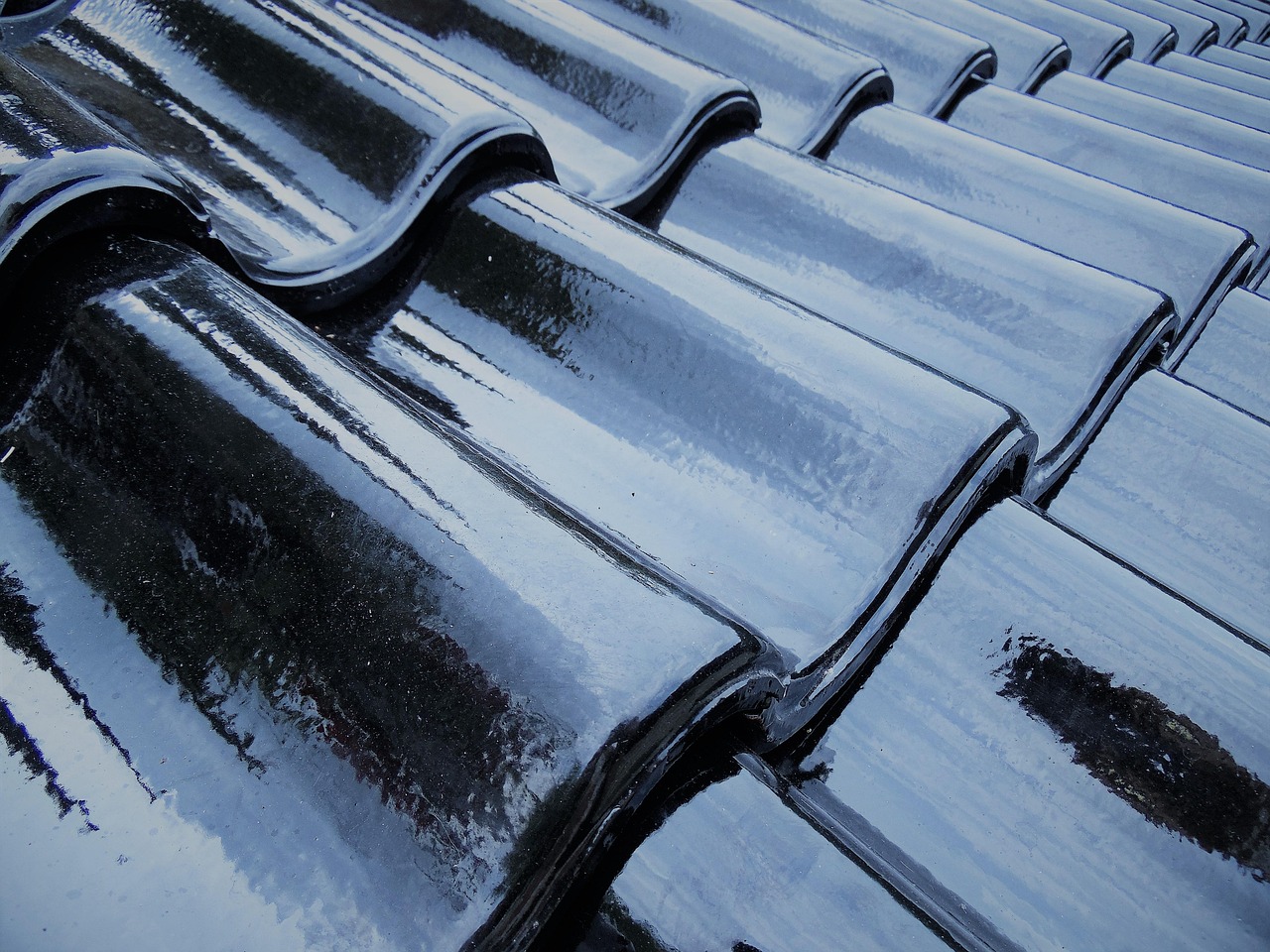
Beyond functionality, the aesthetics of commercial roofing design play a significant role in the overall curb appeal of the building. Property managers should weigh the benefits of various materials against the building's design and the surrounding landscape. A modern office complex might benefit from a sleek, flat metal roof, while a historic building could be enhanced by traditional asphalt shingles or even a custom-designed clay tile roof. In emergency situations, such as a sudden leak or storm damage, prompt attention is crucial. Many local roofing companies in Tampa offer same-day services and 24/7 availability for emergency roof repair, ensuring minimal disruption to business operations. When faced with a roof replacement, budgeting is a key concern.
To ensure a responsible and well-informed decision, property managers should engage with licensed and insured commercial roofers in Tampa. These experts can guide the selection process, provide maintenance advice, and offer solutions for both low-cost roof repair and long-term investment strategies. By combining practical insights with industry expertise, lessors can protect their investments and maintain a safe, attractive, and well-functioning commercial space.
Maintenance and Repairs: Who Pays?
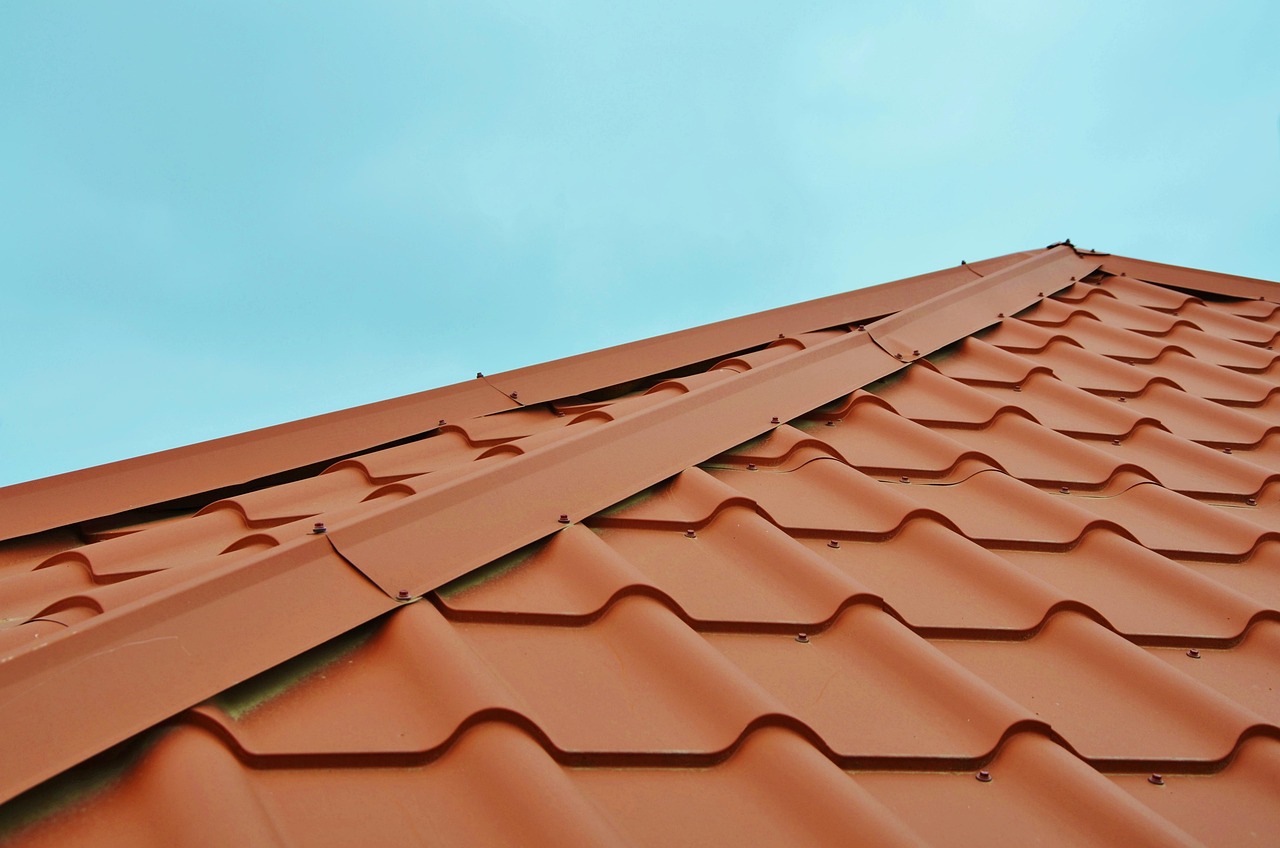
For maintaining and repairing roofs for leased office spaces in Tampa, understanding who's responsible for what is crucial. The first step is conducting a thorough inspection. A same-day roof inspection by a reputable local roofing contractor in Tampa can help identify minor issues before they become major problems. A local roofing company might spot leaks, missing shingles, or signs of wear and tear during a quick assessment.
In most cases, the lease agreement or the terms set by the property owner or manager dictate who pays for roof maintenance and repairs. Often, routine maintenance, such as cleaning gutters or replacing worn-out shingles, falls under the tenant's responsibility. However, significant repairs or replacements are typically the property owner's burden. A top-rated Tampa roofer can provide guidance on these distinctions, ensuring both parties understand their financial obligations.
If a commercial roofer identifies a structural issue caused by a design flaw or faulty installation, the property owner would likely cover the repair costs. Conversely, if damage results from normal wear and tear or poor tenant maintenance (e.g., leaving windows open in storms), the tenant might be responsible. When budgeting, tenants should factor in potential roof repair costs, especially for older office spaces. National roofing companies operating in Tampa can offer insights into average replacement costs, but remember, these figures are estimates, and actual expenses can vary greatly.
When dealing with repairs, choosing a licensed and insured commercial roofer is essential for both best value and legal protection. These contractors are familiar with local building regulations and can ensure any work complies with Tampa's requirements. They provide peace of mind, knowing your investment in the building's roof is in capable hands.
Preventive Measures for Longevity and Safety

Preventive measures are key to ensuring the longevity and safety of your office space in Tampa. Regular roof maintenance, for instance, can catch minor issues before they become major problems. Partnering with a top-rated Tampa roofer who offers both commercial roof repair and maintenance services can be a strategic move. The best commercial roofers in Tampa often provide affordable emergency roof repair services, ensuring your space is protected 24/7, even during off-hours.
For materials, the choice between asphalt and metal roofing depends on your building's design, budget, and local climate. Metal roofing, for example, offers superior durability and can last 40-50 years, while asphalt roofing is a more cost-effective option, typically lasting 15-30 years. Either way, regular cleaning and inspections are crucial. Consider the structural integrity of your building; historic preservation might require special materials and techniques to maintain the building's character while ensuring safety.
Compliance with building regulations is another critical aspect. Tampa's roofing permits and building regulations must be understood to avoid costly mistakes. A licensed and insured commercial roofer can help navigate these requirements, ensuring your roof is up to code. Regular budgeting for roof maintenance and replacement, based on the condition and age of your current system, is essential for long-term financial stability. By prioritizing preventative care, you can minimize unexpected repairs and keep your office space in Tampa safe and secure.
Frequently Asked Questions About Roofing for Leased Office Spaces: Who's Responsible?
Who is typically responsible for roofing repairs in a leased office space? In a leased office space, the responsibility for roofing repairs generally falls on the landlord, as they are typically in charge of maintaining and repairing the building's exterior, including the roof. However, the specific terms can be outlined in the lease agreement, so it's crucial to review the contract to understand who covers repairs in case of damage or defects.
What happens if a roofing issue arises during the lease term? If a roofing issue arises during the lease period, the tenant should notify the landlord immediately. The landlord will then assess the situation and decide whether to fix it themselves or arrange for a contractor, as per the lease agreement. Documentation of the issue, including photos, can help expedite the resolution process.
How can I ensure the roofing work is done properly? When dealing with roofing issues, it's advisable to engage a reputable and licensed roofing contractor. Check their credentials, read reviews, and ensure they have the necessary insurance. A professional contractor will provide a detailed estimate, explain the work, and use high-quality materials to ensure the roof is repaired or replaced correctly, protecting your leased space.
Are there any common roofing issues in leased office spaces? Leased office spaces may experience various roofing issues, including leaks, missing shingles, damage from storms or strong winds, and aging or deteriorated roofing materials. These issues can arise from normal wear and tear or poor initial installation. Regular maintenance and prompt reporting of problems can help mitigate these issues.
What if the landlord refuses to fix the roof? If the landlord is unwilling or unable to fix the roof, as per the lease terms, the tenant may have legal recourse. It's essential to document all communications and keep records of the issue. A tenant could consult a legal professional or consider arbitration or mediation to resolve the dispute regarding the roof's repair or replacement.
Navigating the complexities of roofing for office spaces in Tampa requires a nuanced understanding of legal responsibilities, tenant rights, and landlord obligations. Key takeaways include the importance of hiring licensed and insured commercial roofers, evaluating appropriate roofing materials tailored to historic preservation or modern design, and recognizing the landlord's responsibility for structural issues and roofing permits under building regulations.
Practical next steps for business owners include budgeting for roof replacement costs, prioritizing regular maintenance, and implementing preventive measures to extend the lifespan of commercial roofing systems. Being aware of common roofing scams and leveraging legal protection ensures a secure and transparent roofing experience.
By synthesizing these crucial insights, Tampa-based business owners can confidently manage their roofing needs, ensuring both safety and compliance in their leased office spaces.
Roofing for Office Spaces Tampa: Key Considerations
- Lease Terms & Clauses: Leased office spaces have unique needs, influenced by lease terms, building regulations, and green certifications.
- Roofing Partner: Consult licensed, insured local roofers for expert advice, navigation of regulations, and cost-effective solutions.
- Maintenance & Repairs: Regular roof maintenance, including prompt repairs, is vital to avoid structural issues.
- Responsibilities: Clearly define tenant and landlord roles for roof maintenance and repairs to prevent disputes.
- Budgeting: Factor in roof replacement costs, considering material, size, and complexity.
- Material Selection: Choose durable, low-maintenance roofing based on building design, budget, and climate.
- Compliance: Understand Tampa's roofing permits and regulations to avoid legal complications.
- Preventive Care: Regular inspections and cleaning maintain roof safety and longevity.